Do Solar Panels Increase Home Value?
Do Solar Panels Increase Home Value? Join us as we analyse the potential financial gains, energy efficiency advantages, and market considerations associated with incorporating solar technology into your home.
Uncover the facts and figures behind the integration of solar panels and how they could potentially elevate the value of your property. Let’s delve into the tangible benefits and explore whether investing in solar is not just a sustainable choice but a strategic one for your home’s overall value.
Do solar panels increase home value?
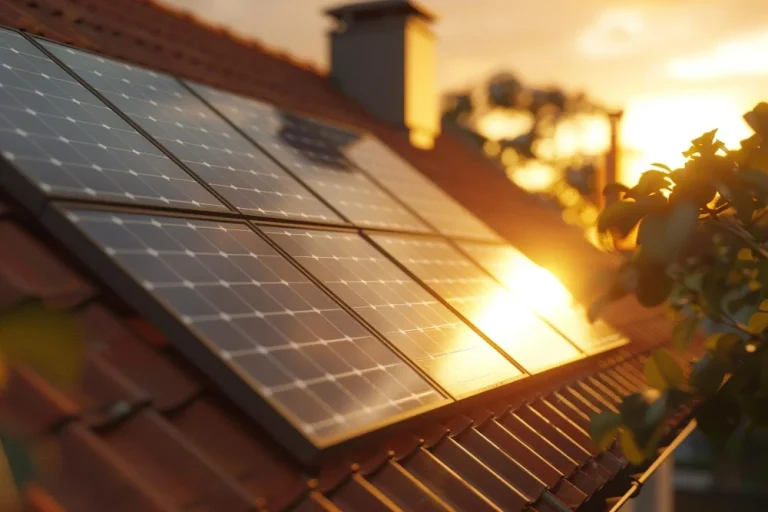
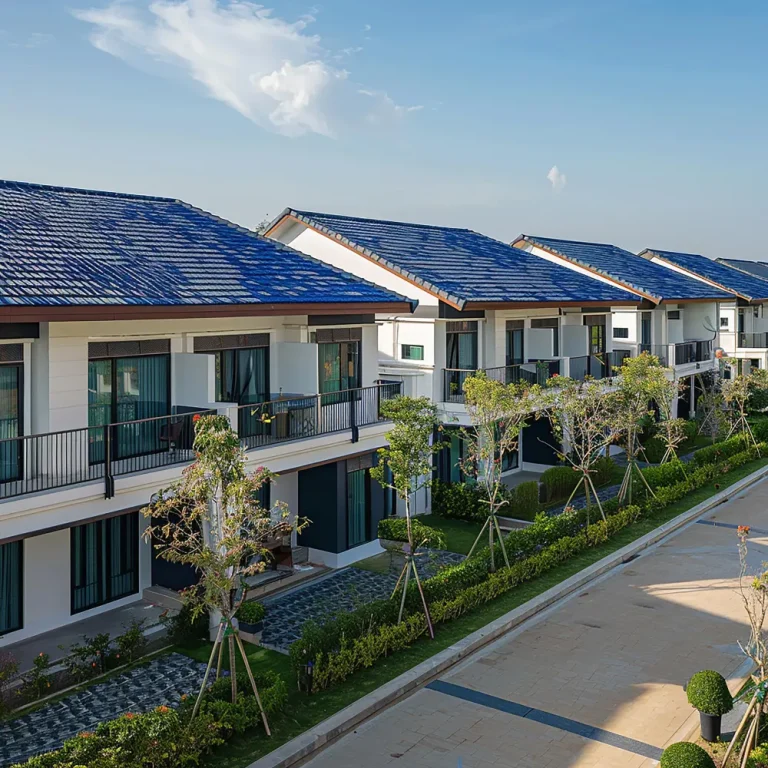
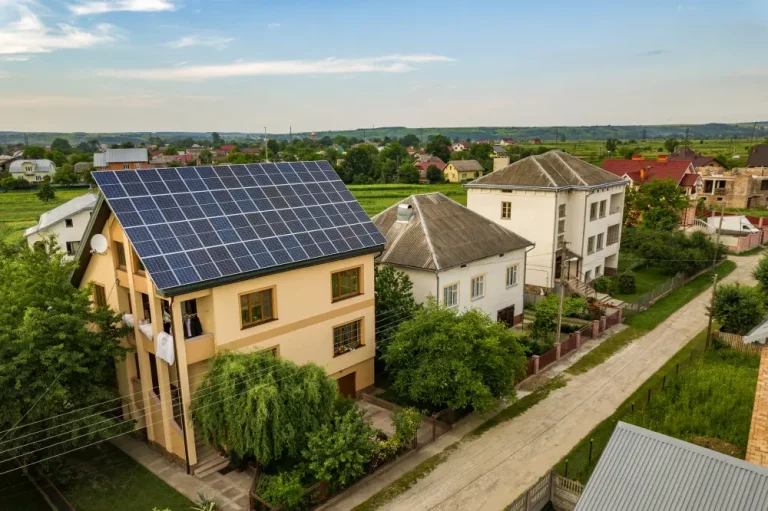
Solar panels can add value to your home. Homes with solar power systems often sell for more than homes without them. They make your house more attractive to buyers who want lower energy bills and a smaller carbon footprint.
In some places, having solar panels might even add a big chunk of money to your property’s worth.
Recent studies underscore this potential, revealing that installing a solar array may boost your property’s worth by as much as 4.1%, which equates to an uplifting £9,500 on average UK home values.
People like homes that save on energy costs. If you have solar panels, this could bump up your Energy Performance Certificate (EPC) score too. A higher EPC score can mean a better price when selling because, by 2030, the UK wants all homes at a ‘B’ rating or above.
Buyers are looking for homes that won’t need upgrades to meet these future standards.
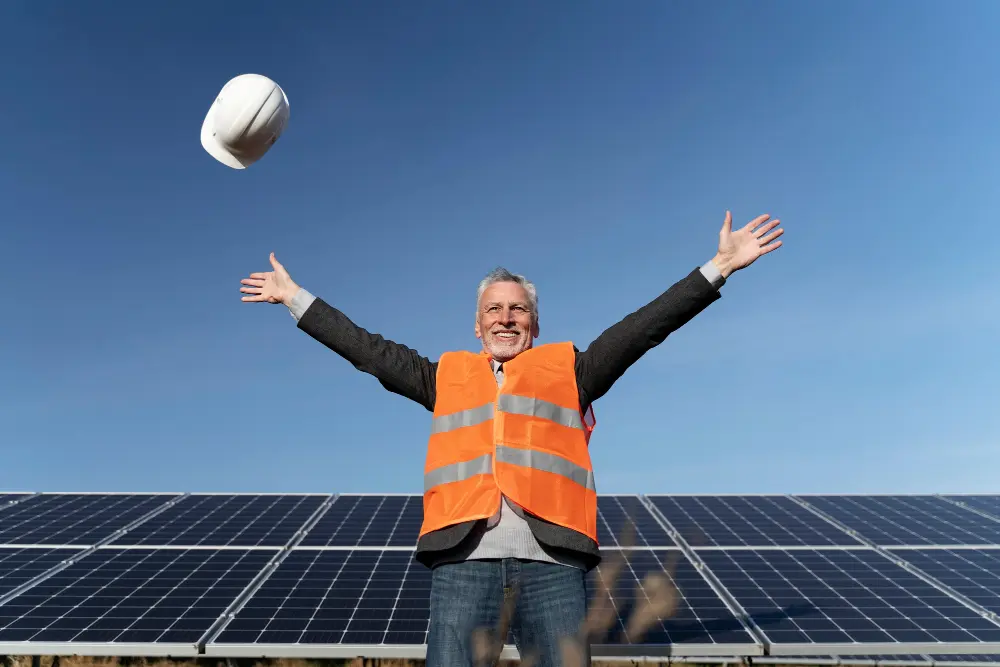
How Solar Panels Increase Home Value
Homeowners with solar panels can keep more money in their pockets. Each year, they save on average £362 on energy bills. These savings come from the solar energy system reducing the need to buy electricity.
With these savings, families can spend less on running their homes and save or use that money for other things. Energy efficiency goes up while costs go down, making solar energy a smart choice for many households wanting to cut down on expenses.
Solar panels are a big draw for house hunters. They see them as a modern upgrade that saves money on bills. People looking to buy often prefer homes with these eco-friendly features. They know solar panels mean clean energy and lower costs.

Buyers get excited about owning a home that’s kind to the planet. Homes with solar sell for more and quickly too, showing they’re in demand. The appeal of renewable power is strong in the real estate market.
Homes with solar panels help fight climate change. They cut down on CO2 emissions by using the sun’s power instead of fossil fuels. This makes the air cleaner and reduces our carbon footprint.
People who buy these homes take part in this positive change for the environment.
Choosing renewable energy sources like solar can make a big difference. It supports a cleaner planet and promotes green energy use. Buyers feel good knowing they’re helping to protect our earth for future generations.
Factors Influencing the Added Value of Solar Panels
Geographic location, local solar installation prices, system output and age of the panels can all impact the added value of solar panels. Want to find out more about how these factors influence home value? Keep reading!
Solar panels can add more value to your home if you live in sunny places with high energy costs. States like California and New Jersey see a bigger boost in property values for homes with solar installations. Cities known for sunshine, such as Los Angeles and Honolulu, are hot spots where solar panels make a real difference to house prices.
Local electricity rates play a big role too. The higher the local energy prices, the more you save with solar power. This makes homes with solar panels stand out to buyers looking to cut down on energy bills. In some states, there is also strong support for renewable energy which adds appeal for eco-conscious buyers who want green technology at home.
Local solar installation prices
Installing solar panels in the UK typically costs around £5,500. If you want to add a storage battery to your system, it could cost double. The price can influence how much value the panels add to your home.
Areas with higher installation costs may see a smaller return on investment.
Buyers often look for homes with energy-saving features like solar panels and electric vehicle charging points. A setup that includes a battery storage system is even more appealing. It promises lower bills and less dependence on the power grid during outages or peak times.
System output
The system output of solar panels matters a lot. Higher output means more electricity is produced. Homes with powerful solar panels can generate enough energy for all their needs and even send extra back to the electric grid.
This excess can earn money through schemes like net metering or the Smart Export Guarantee (SEG). Systems that produce a high wattage help cut down on energy bills, making them very appealing to buyers.
Energy companies may pay you for the surplus power your panels create. The amount of energy a system puts out changes how much value it adds to your home. Solar installations with strong performance turn sunlight into more savings and could draw in families wanting to lower their carbon footprint.
They might also attract those interested in renewable energy technology or owning electric cars, who need lots of power for charging at home.
Age of the panels
Solar panels are built to last, often around 25-30 years. As they get older, their ability to make electricity can drop a bit. This change may affect how much value the panels add to your home. Newer panels mean more energy savings and can be a big selling point.
Still, even older solar panels offer benefits. They still cut down on energy bills and attract buyers who like green energy. Homeowners should think about panel age when they decide if adding solar power is right for them.
Pros and Cons of Selling a Home with Solar Panels
Selling a home with solar panels can be advantageous as it appeals to environmentally conscious buyers and showcases the property as energy-efficient, potentially increasing its value by up to 25%.
The cost savings on electricity bills can make the property more attractive. However, some buyers may find the upfront cost of purchasing a solar-equipped home prohibitive, impacting the pool of potential buyers.
Additionally, there might be concerns about maintenance and system compatibility.
Factors like location, local solar installation prices, and panel age influence added value from solar panels. Homes in areas with high sun exposure tend to benefit more from solar panel installations compared to those in less sunny regions.
While newer panels are more efficient and appealing to potential buyers due to their longer expected lifespan, older panels may require additional investment for replacement or repair.
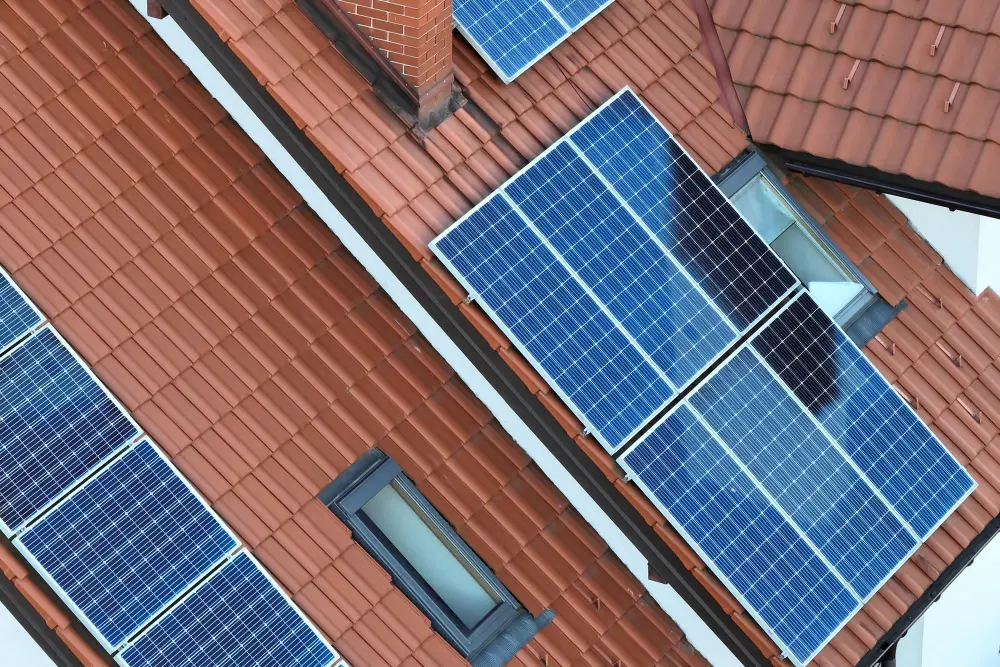
How Much Can You Save With Solar Panels?
With solar panels, homeowners can save up to £362 annually on energy bills and an additional £158 through the Smart Export Guarantee (SEG), resulting in a total of £520 in annual savings.
Solar panels also require minimal maintenance costs, with Type 1 panels having a guarantee of up to 25 years and needing very little aftercare.
These savings are significant when considering the long-term financial benefits of investing in solar panels for residential properties.
Do Bigger Installations Increase Home Value?
Large solar panel installations can significantly increase home value. Studies have shown that bigger systems can lead to a higher percentage increase in property value, with some areas experiencing a boost of up to 38%.
This highlights the positive correlation between the size of solar installations and the enhanced value they bring to residential properties. Additionally, depending on location, larger solar panel installations could potentially add significant additional value – for example, up to £90,000 – to a property’s overall worth.
Do Solar Homes Sell Faster?
Homes with solar panels or solar systems have been proven to sell 20% faster than those without them. Factors that can influence the increase in home value with solar panels include the property’s location, energy savings, and the general appeal of solar energy to potential buyers.
Well-maintained and properly functioning solar panels are more likely to attract potential buyers and contribute positively to the property’s overall worth. Homes with newer solar panels sell faster and for more than those with older panels.
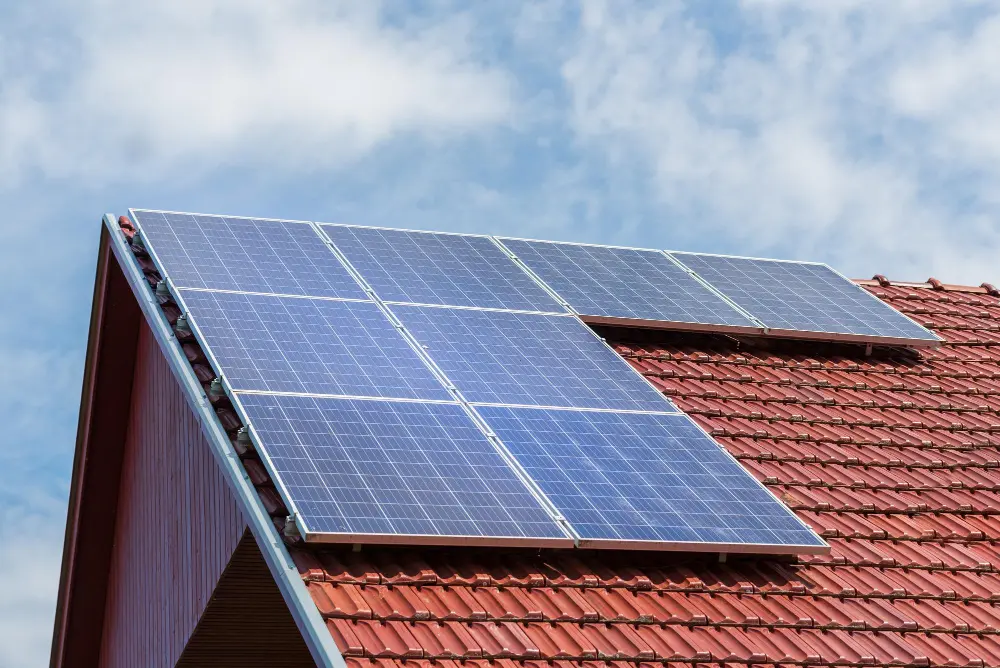
Maximising Your Solar Panel Investment
Maximising your solar panel investment involves taking advantage of solar panel incentives, credits and rebates, net metering to sell excess energy back to the grid, and considering the use of solar batteries for energy storage.
Net Metering
When considering the maximisation of your solar panel investment, net metering plays a crucial role. It allows homeowners with solar panels to return surplus energy to the electric grid, reducing strain on the grid and enabling them to save on energy costs.
Essentially, this means that any excess electricity generated by their solar panels can be fed back into the grid, allowing for credits or refunds on their energy bills during periods of lower solar production.
Solar batteries are also instrumental in ensuring continued renewable energy usage during times of limited sunlight. This combination of net metering and solar battery storage helps homeowners make the most of their renewable energy generation system.
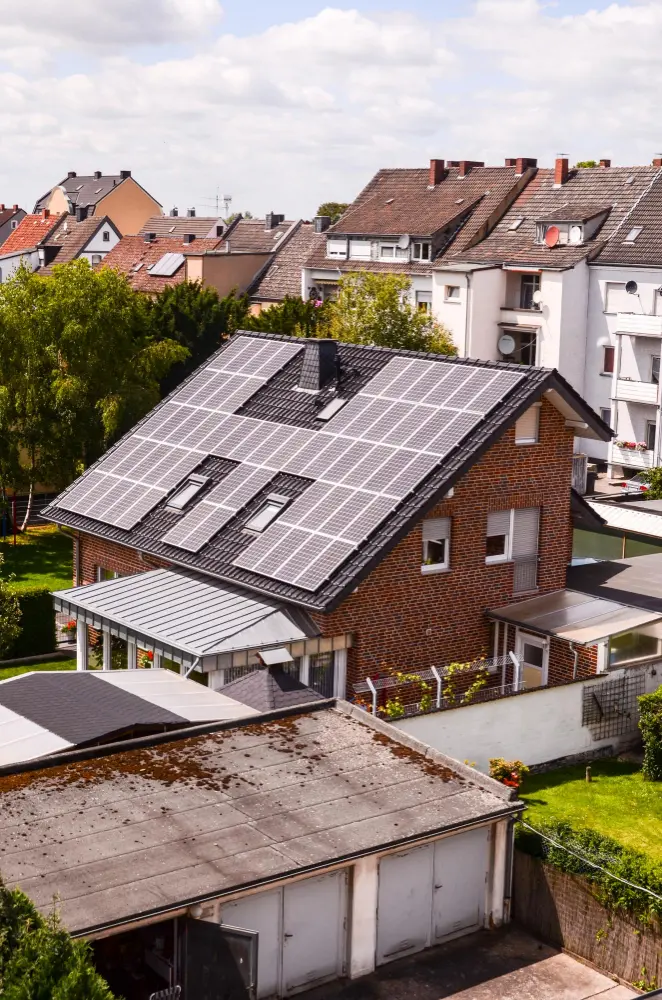
Solar Batteries
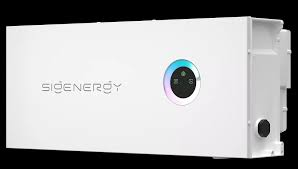
Solar batteries play a critical role in maximising the benefits of solar energy. They enable homeowners to store surplus energy generated by their solar panels, allowing them to use it during periods of limited sunlight or high energy demand.
By harnessing and storing solar power, households can reduce their reliance on the grid, increasing their energy self-sufficiency and potentially saving more on their energy bills.
This investment in solar battery technology contributes to a sustainable and eco-friendly approach to energy consumption, aligning with the global shift towards renewable sources.
Furthermore, advancements in solar battery technology have made off-grid living more feasible for homeowners looking for increased independence from traditional utility services. The ability to store excess solar power also provides peace of mind during power outages or emergencies, ensuring a consistent power supply when needed most.
In summary
Solar panels can increase home value by 0.9% to 2%. Implementing this practical and efficient strategy not only boosts property value but also attracts potential buyers.
Have you considered the impact of solar panels on your property’s Energy Performance Certificate? By embracing solar energy, homeowners can make a significant positive impact while enjoying financial benefits.
Don’t miss out on maximising your investment with additional resources or guidance! Take action today and explore the possibilities of increasing your home’s value through sustainable energy solutions.