How Long Do Solar Panels Last in the UK?
Did you ever wonder how long sunlight solar panels last? Well, here’s the scoop: solar panels have a finite lifespan, but it’s not a one-size-fits-all scenario. The longevity of these energy champions depends on various factors. Knowing their life expectancy is essential for making informed decisions about your solar system. In fact, sunlight solar panels can last for years, not just seconds.
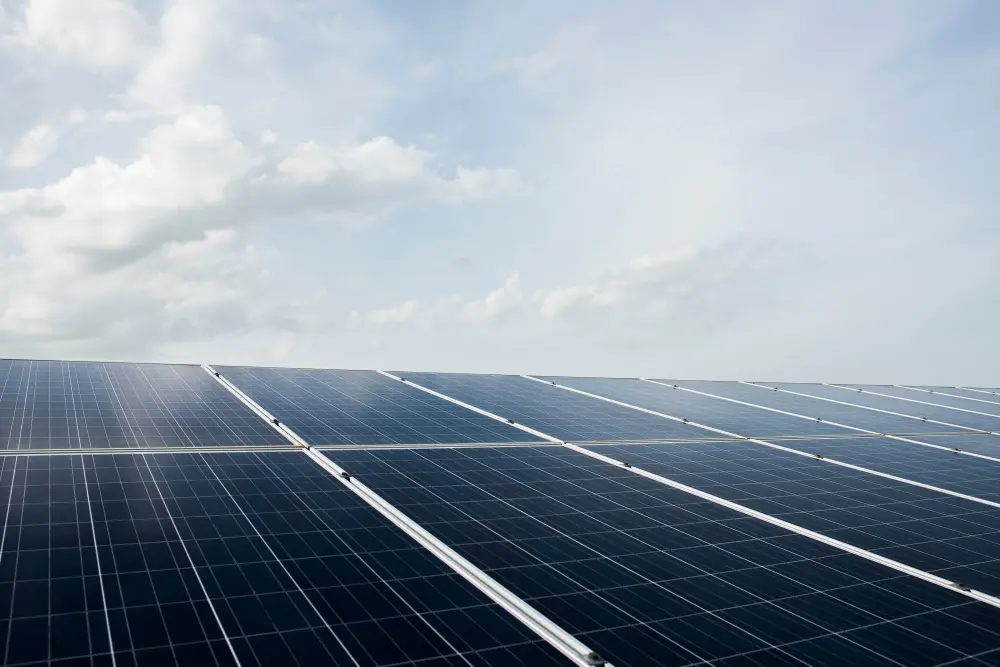
Different types of solar panels come with different lifespans. For instance, reputable installers like First Solar panels boast an impressive 25-year warranty, while Sunrun guarantees theirs for 20 years in sunlight. However, it’s important to note that these warranties don’t necessarily reflect the exact number of long times your panels will function optimally in seconds.
Factors such as weather conditions, maintenance, and manufacturing quality also play a role in determining how long your solar panels from Sunrun will last. So buckle up as we dive into the nitty-gritty details and shed light on the lifespan of these renewable energy heroes. Let’s embark on this enlightening journey together and learn about the warranties that can last for years!
Factors affecting solar panel longevity
Climate conditions, quality and type of materials used, as well as proper installation and regular maintenance are all key factors that influence the lifespan of solar panels. With proper care, these panels can last for years. Additionally, when it comes time to replace them, recycling is a great option to ensure their materials are reused.
- Climate conditions, such as extreme temperatures and excessive exposure to sunlight, can impact the longevity of solar panels installed on the roof. High humidity and harsh weather conditions like hail storms or heavy snowfall can also cause physical damage. It’s important to consider these factors when determining the performance and durability of the panels. Additionally, proper recycling of old panels is essential to minimise environmental impact.
- The durability of solar panels is greatly influenced by the quality and type of materials used during manufacturing. Panels made with high-quality components from Sunrun tend to have a longer lifespan compared to those made with lower-grade materials. Different types of solar panels, such as monocrystalline or polycrystalline, may have varying levels of durability. This is important for recycling and ensuring the longevity of electricity generation for years to come.
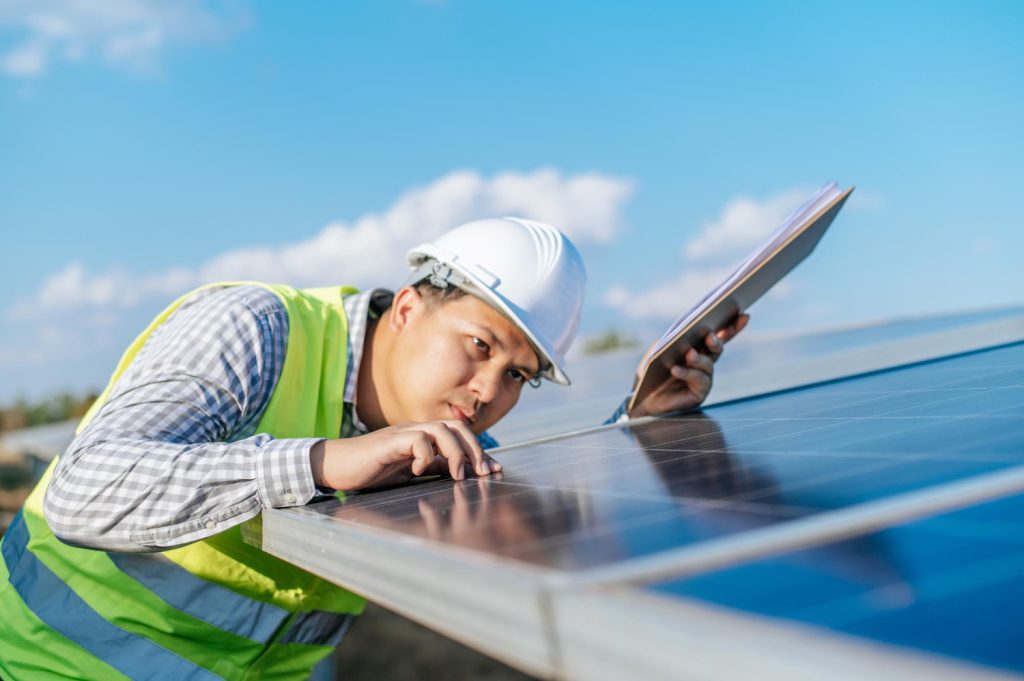
- Proper installation and regular maintenance are crucial for maximising the lifespan of solar panels. Trained professionals should handle the installation to avoid structural issues or electrical problems that may shorten the panel’s life expectancy. Regular maintenance, including cleaning debris or dust accumulation from the surface, inspecting connections for any loose wiring, and monitoring overall performance, helps identify potential issues early on and extends the life of the home’s electricity-generating panels.
By considering factors such as electricity use and tier when installing solar panels, individuals can optimize their longevity while enjoying the benefits of renewable energy for years to come.
Quality of Installation and Equipment
Poor installation and low-quality equipment can significantly reduce the lifespan and efficiency of solar panels over the years. To maximise the longevity of your panels, it is essential to prioritise the quality of both installation and equipment, ensuring reliable electricity generation in every tier.
- Poor installation: When solar panels are not installed correctly, they may experience premature failure or reduced efficiency. This can result in costly repairs or even the need for complete replacement. To avoid these issues, it is essential to hire a reputable installer with experience in the industry.
- High-quality equipment: The performance and longevity of solar panels are directly influenced by the quality of the equipment used. Investing in high-quality panels from trusted manufacturers ensures better power output and longer-lasting performance. It is recommended to choose products that come with warranties, such as a 25-year warranty on power output or a 10-year warranty on materials.
- Professional installers: The expertise of professional installers plays a significant role in determining how long your solar panel system will last. Experienced installers adhere to industry standards and best practices, ensuring that your system is set up correctly from the start. Their knowledge not only guarantees proper installation but also helps optimise the overall performance of your solar energy system.
By prioritising quality during installation and selecting reliable equipment, you can maximise the lifespan of your solar panels while maintaining optimal performance levels throughout their lifetime. Reach out to an expert installer today for a free estimate on installing high-quality solar panels tailored to meet your specific needs for years to come.
Rate of degradation and efficiency over time
Over the years, the efficiency of monocrystalline panels gradually decreases due to degradation. Different types of solar cells, including monocrystalline panels, have varying rates of degradation. Regular monitoring helps identify any decline in performance early on.
- Solar panel degradation rate: Over the years, solar panels experience a gradual decline in their performance levels. This is primarily attributed to the process of degradation, which refers to the wear and tear that occurs over time.
- Over the years, varying rates of degradation have been observed in solar panels. The rate at which solar panels degrade can differ depending on the type of solar cell used. For instance, monocrystalline panels tend to degrade at a slower rate compared to polycrystalline panels.
- Regularly monitoring the performance of solar panels allows for the early detection of any decline in energy production over the years. By detecting potential damage or issues early on, necessary maintenance or repairs can be conducted promptly to prevent further deterioration.
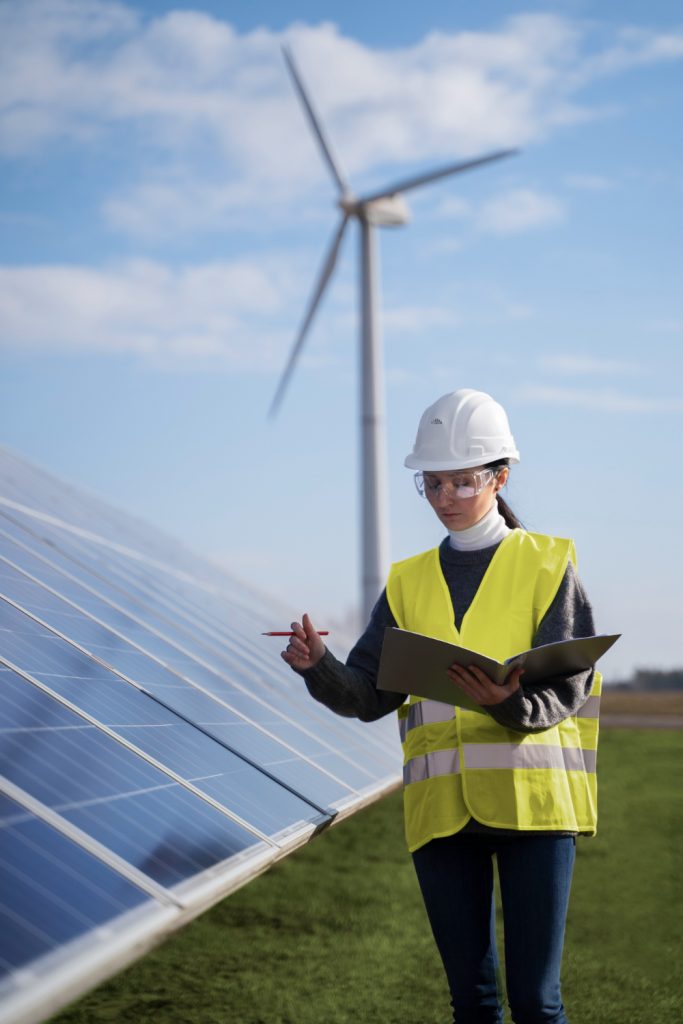
- Decades-long lifespan: Despite experiencing some level of degradation, solar panels are designed to last for several decades. With proper care and maintenance, they can continue producing energy efficiently for many years.
- Original output vs current output: Over time, the output or energy production from a solar panel may decrease from its original levels due to degradation. However, even with reduced efficiency, they still contribute significantly towards generating renewable energy.
Maintenance and Monitoring for Long-Lasting Panels
Regular maintenance checks are crucial to ensure the longevity of your solar panel system. By conducting routine inspections, you can detect potential issues before they escalate into major problems. Cleaning off debris, dust, or snow from the surface of the panels significantly improves their overall performance.
To keep your solar installation operating optimally over a long period, solar inverters and monitoring systems play a vital role. These systems allow you to track solar power production and identify any anomalies that may arise. By keeping a close eye on your panel’s performance, you can address any concerns promptly and ensure maximum efficiency. As a solar provider, it is important to have reliable monitoring systems in place to optimise the performance of your solar installation.
Here are some key points to consider when it comes to maintaining and monitoring your solar panels:
- Routine Inspections: Regularly inspect your panel system for any signs of damage or wear. Look out for scratches caused by branches or other elements that might hinder their performance in the long run.
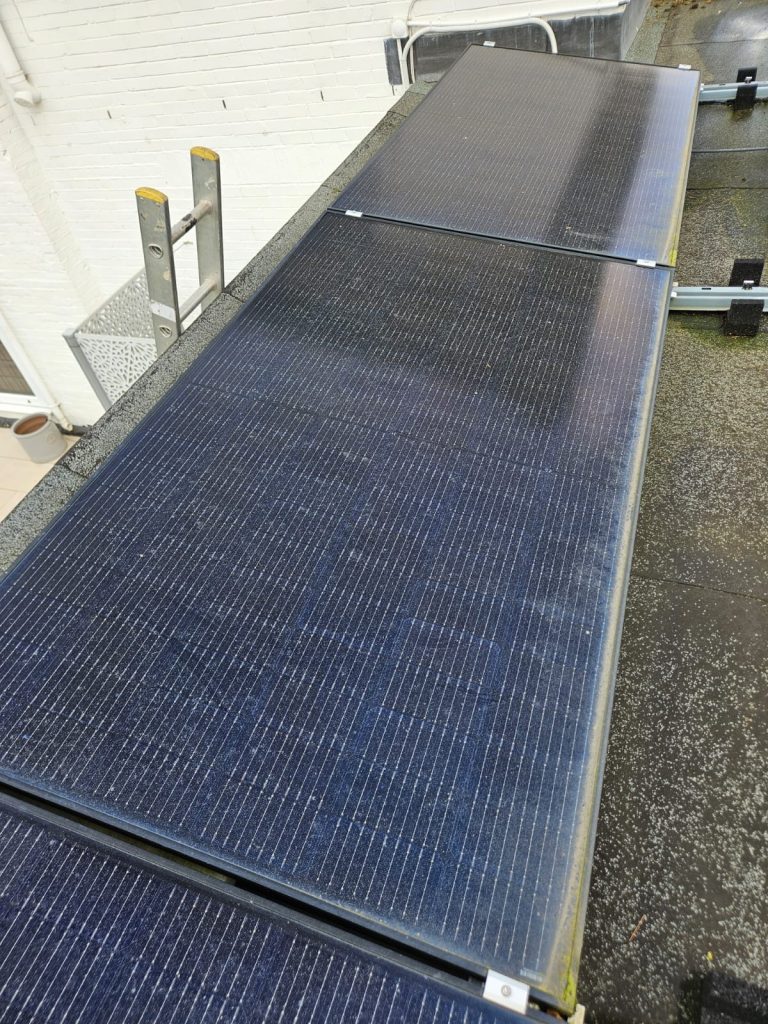
- Cleaning: Clear away debris such as leaves or dirt from the surface of the panels. If you live in an area prone to snowfall, make sure to remove snow build-up promptly.
- Monitoring Systems: Invest in quality monitoring systems that provide real-time data on energy production. This enables you to identify any drops in performance quickly and take appropriate action.
- Upkeep of Components: Regularly check the racking system that holds your panels in place. Ensure it remains secure and stable throughout its lifespan.
- Performance Warranty: Familiarise yourself with the details of your panel’s performance warranty provided by the manufacturer. Understanding what is covered will help you address issues effectively if they arise.
- Future-proofing: Stay informed about advancements in solar technology and industry best practices so that you can adapt accordingly.
By following these maintenance guidelines and utilising monitoring systems effectively, you can extend the lifespan of your solar panels while maximising their energy production capabilities.
Extending the lifespan of solar panels: Tips and recommendations
Regularly cleaning your solar panels is essential for maintaining their efficiency and extending their lifespan. Dust, dirt, and debris can accumulate on the surface of the panels over time, reducing their ability to generate electricity. By cleaning them regularly, you can ensure optimal performance and longevity.
Protecting your system from extreme weather conditions is another crucial aspect of preserving its integrity. Harsh weather elements such as hail, storms, or excessive heat can potentially damage solar panels. Taking precautions like installing protective covers or reinforcing mounting systems can help safeguard your investment against these risks.
Investing in high-quality components initially is a wise decision as it can save costs on replacements later. Opt for reliable manufacturers known for producing durable and efficient solar panel systems. Although they may come at a higher price initially, the long-term benefits outweigh the short-term expenses.
Recycling old or damaged solar panels is an environmentally responsible practice that contributes to sustainability efforts. When your panels reach the end of their lifespan, consider recycling options rather than disposing of them in landfills. Many organisations and companies specialise in recycling solar panels properly, ensuring valuable materials are recovered and reused.
By following these tips and recommendations provided by experts you can maximise the lifespan of your solar panel system while also minimising maintenance costs:
- Regularly clean your solar panels using mild soap or water.
- Inspect your solar panel installation system after severe weather events and address any damages promptly. It is important to hire a professional solar panel installer to ensure proper maintenance and repairs.
- Choose high-quality components from reputable manufacturers.
- Research local recycling programs or contact solar panel manufacturers for proper disposal options when necessary for your solar system.
Taking proactive steps to care for your solar panel system will not only extend its lifespan but also contribute to a sustainable future by harnessing clean energy efficiently.
Conclusion
To maximise the longevity of your solar panels, there are several key factors to consider. The quality of installation and equipment plays a crucial role in ensuring their durability. By choosing reputable installers and high-quality components, you can significantly extend the lifespan of your panels.
Another important aspect is understanding the rate of degradation and efficiency over time. While solar panels do experience a slight decrease in efficiency as they age, regular monitoring can help identify any issues early on. This allows for timely maintenance or replacements to maintain optimal performance.
Speaking of maintenance, it is essential to keep up with routine care to ensure long-lasting panels. Simple tasks such as cleaning debris and inspecting for damage can go a long way in preserving their effectiveness. Investing in monitoring systems that provide real-time data on panel performance can help detect any anomalies promptly.
In conclusion, by considering these factors and implementing proper maintenance practices, you can extend the lifespan of your solar panels significantly. This not only maximises your return on investment but also contributes to a greener future by harnessing clean energy for years to come.
FAQs
Regular cleaning of your solar panels is recommended every 6-12 months, depending on your location and environmental conditions. However, if you notice significant dirt or debris accumulation on your solar panels, it’s advisable to clean them more frequently.
While it’s technically possible for experienced individuals to install solar panels, it is highly recommended to hire professional solar panel installers who have the necessary expertise and certifications. They ensure proper installation while adhering to safety standards.
Solar panels are designed to withstand various weather conditions including rain, snow, hail, and wind. However, if you live in an area prone to severe weather events like hurricanes or tornadoes, additional precautions may be required during installation.
Solar panels generally require minimal maintenance. Regular visual inspections, cleaning, and monitoring their performance are usually sufficient. However, it’s essential to follow the manufacturer’s recommendations for specific maintenance requirements.
Monitoring systems can provide real-time data on your panel’s performance. By analysing this information, you can identify any drop in efficiency or potential issues that may require attention from a professional installer.