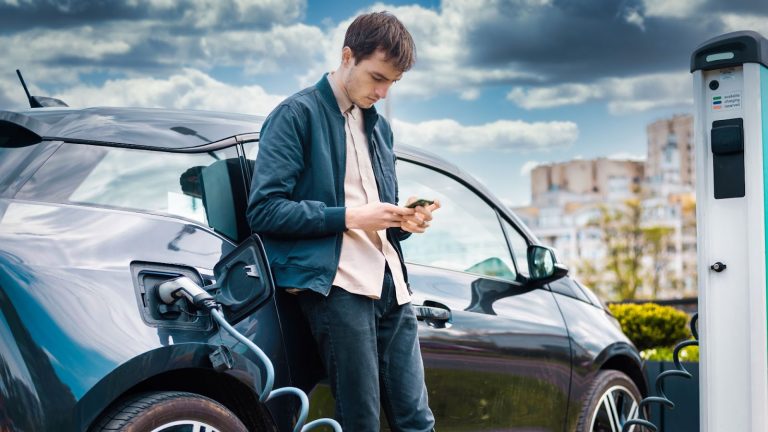
How Much To Install EV Charger At Home?
Are you curious about how much it’ll cost to install an EV charger at home? With the rising popularity of electric vehicles (EVs) and their positive impact on our environment, more homeowners are considering investing in a home charging point. But what does it really cost to install an electricity metre for EVs at home?

Well, the price of installing an EV charger for electric cars at home can vary depending on factors like your location and the type of charger you choose. However, understanding these cost implications for electricity metres is crucial for making informed decisions about battery-powered zero-emission vehicles. Not only can having a home charging point provide convenience, but it can also lead to long-term savings.
In 2023, as zero-emission vehicles and electric cars become increasingly common on our roads, the installation costs for home chargers, including the electricity metre and battery, are expected to be influenced by various factors such as the Electric Vehicle Homecharge Scheme and public charging infrastructure developments. So, whether you have a garage or a driveway, exploring the average costs associated with installing an EV charger at home, measured in kilowatt-hours (kWh), will help you gauge its affordability and benefits.
Remember, embracing electric cars means embracing cleaner energy consumption. So let’s delve into the specifics of installing home charging points for your electric vehicle at your humble abode!
Factors Affecting the Cost of Home EV Charger Installation
Electrical Panel Capacity
One of the key factors that affect the cost of installing an electric vehicle (EV) charger at home is the capacity of your electrical panel. Your electrical panel is responsible for distributing electricity throughout your house, and if it doesn’t have enough capacity to handle the additional load from an EV charger, upgrades may be necessary. These upgrades can include replacing or adding circuit breakers, upgrading wiring, or even installing a new electrical panel altogether. The cost of these upgrades can vary depending on the complexity of your current electrical system and the specific requirements for your EV charger installation. However, if you’re on the go and need to charge your EV outside of your home, you can rely on public charging stations or public charging points.
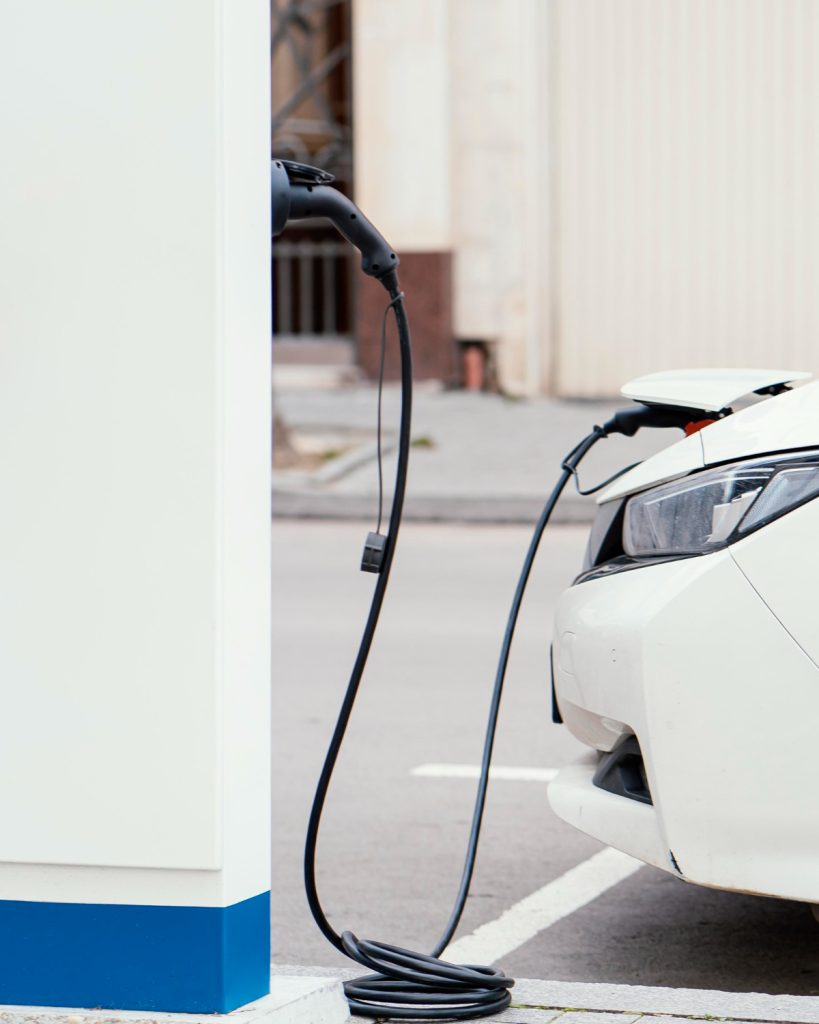
These fast charging options are convenient for when you’re away from home and need a quick charge. Another option is to invest in a wall box for your home, which provides a dedicated and efficient charging solution for your EV.
Distance Between Electrical Panel and Charging Location
Another factor that influences the cost of home EV charger installation is the distance between your electrical panel and the location where you plan to install the charger. The longer this distance, the more complex and time-consuming the installation process becomes. Electricians may need to run additional wiring or conduit to connect your charging location to your electrical panel, which can increase both material and labour costs. It’s important to consider this factor when determining how much it will cost to install an EV charger at home. The electricity consumed by the charger, measured in kWh, will also impact your overall costs. Additionally, the type of charger, such as a wall box, and the location where it will be installed, such as your driveway, are important factors to consider.
Type of Charger Chosen
The type of charger you choose for your home EV charging station also plays a role in determining installation costs. There are generally two types: Level 1 chargers and Level 2 chargers. Level 1 chargers use a standard household outlet and provide a slower charging speed compared to Level 2 chargers, which require a dedicated circuit and offer faster charging times. While Level 1 chargers are typically less expensive upfront, they may require fewer modifications to your electrical system during installation. On the other hand, Level 2 chargers often require additional equipment such as a wall-mounted charging unit and potentially more extensive electrical work.
Additional Features
When considering the cost of installing an EV charger for your electric car at home, it’s important to factor in any additional features you may want, such as smart charging capabilities. Some EV chargers offer the ability to schedule and monitor charging sessions through a mobile app. While these features can provide added convenience and control, they may come at a higher price. It’s worth considering if these features are essential for your needs or if you’re willing to pay extra for the added functionality. Additionally, the installation process typically takes a few hours and may require a wall box for efficient energy usage.
Hiring a Qualified Electrician for Home EV Charger Installation
Installing an electric vehicle (EV) charger at home is an exciting step towards embracing the future of transportation. However, it’s essential to hire a qualified electrician for this task to ensure safe and compliant installation practices for your car.
1. Hiring a qualified electrician ensures safe and compliant installation practices for home chargers, home charging points, public charging stations, and home wall box chargers.
Safety should always be the top priority when installing home charging points for your car. Installing a home wall box charger involves working with high-voltage electrical systems, which can be dangerous if not handled correctly. A qualified electrician possesses the necessary knowledge and expertise to navigate through these complexities safely and ensure a secure charging station for your car.
Not only does hiring a professional for home charger installation minimise the risk of accidents, but it also guarantees compliance with local electrical codes and regulations. These codes exist to protect both you and your property from potential hazards associated with home charging points, ensuring that the installation of your home wall box charger is done correctly and up to industry standards.
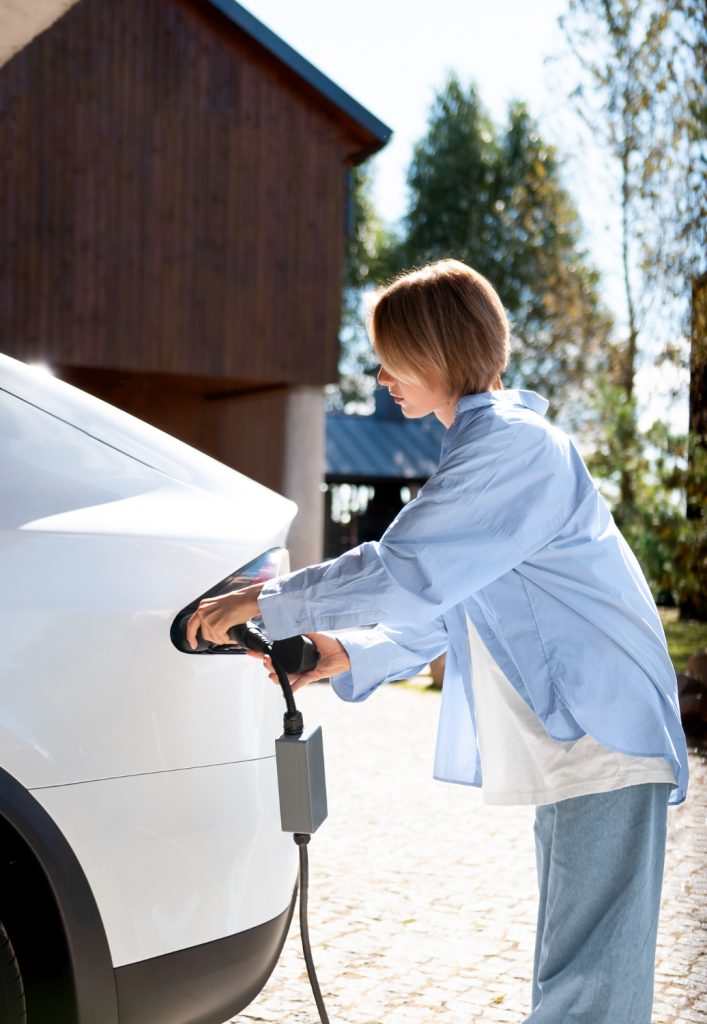
Additionally, hiring a professional can help you save on costs by avoiding any potential mistakes during installation.
2. Electricians with experience in EV charger installations ensure the smooth and efficient installation of charging points for your car at the station, minimising potential issues and keeping the cost reasonable.
While any licensed electrician can handle basic electrical work, those with specific experience in EV charger installations are better equipped to tackle potential challenges that may arise during the process of installing a charging point for an electric car.
EV charger installation costs can vary depending on the point of installation. Proper wiring and circuit breaker sizing are crucial to ensure efficient charging performance for your car. An experienced electrician will understand the unique requirements of different home charging setups, helping you avoid common pitfalls such as overloaded circuits or inadequate power supply.
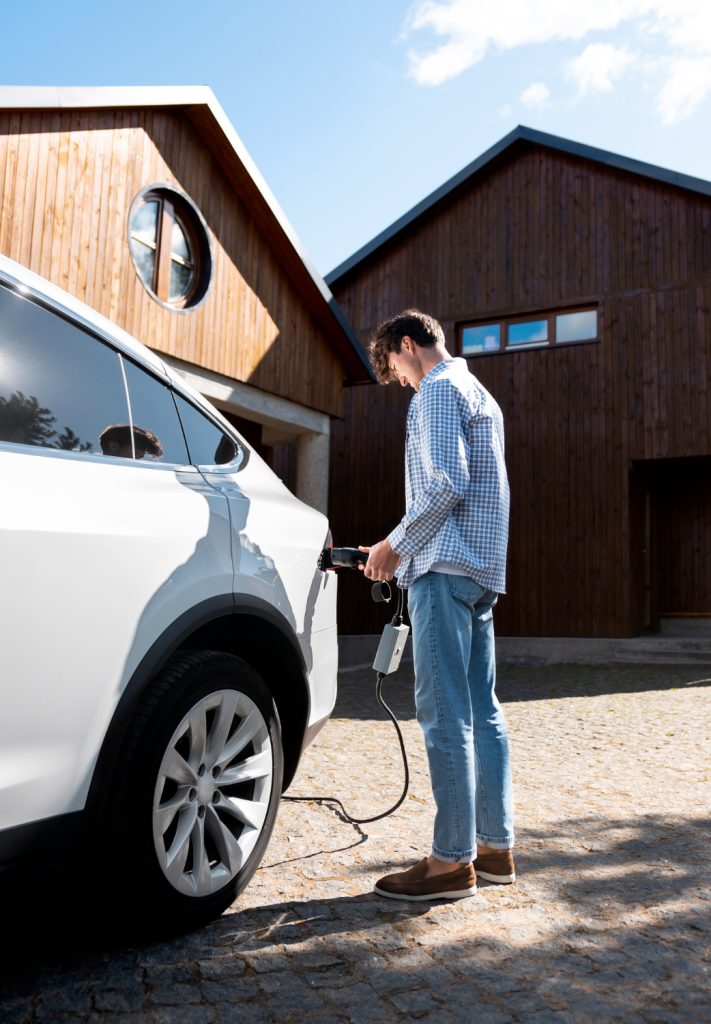
Moreover, they can assess your home’s existing electrical infrastructure and make recommendations for the installation cost of a charging point accordingly. This might involve upgrading your electricity metre or panel to accommodate the additional load of a car effectively.
3. Researching electricians’ credentials and customer reviews helps find reliable professionals for installing home chargers and car chargers, as well as charging points or charge points.
To find a reliable electrician for your home EV charger installation, research their qualifications and certifications to verify their expertise in handling EV charging systems. The cost of the installation is an important point to consider.
Reading customer reviews and testimonials can provide valuable insights into their previous experiences with electric car chargers and home wall box chargers. Look for positive feedback from other EV owners who have had successful installations of electric car charging points. This will give you confidence in their ability to deliver a satisfactory outcome.
When selecting an electrician, it’s also worth considering the cost of their bespoke EV charging solutions. Some installers specialise in home wall box chargers, while others may have expertise in public chargers. Choosing an electrician with relevant experience can ensure that your specific cost needs are met efficiently.
Charging Options: Regular Plug Socket vs. Dedicated Car Charger
Using a regular plug socket to charge your electric car is a cost-effective option, but it comes with the drawback of slower charging speed. The charging process can be significantly longer, especially if you have a larger battery capacity in your vehicle.
On the other hand, dedicated car chargers offer faster charging speeds, which means you can reduce the overall charging time and cost. These chargers are specifically designed for electric vehicles and provide a higher power supply to your car’s battery. As a result, you can enjoy quicker charging sessions and get back on the road sooner, saving on cost.
Safety concerns may arise when using regular sockets for extended periods of charging. Regular sockets are not typically designed to handle continuous high-power usage over long durations. This could potentially lead to overheating or even electrical fires if not used properly or monitored closely during the charging process.
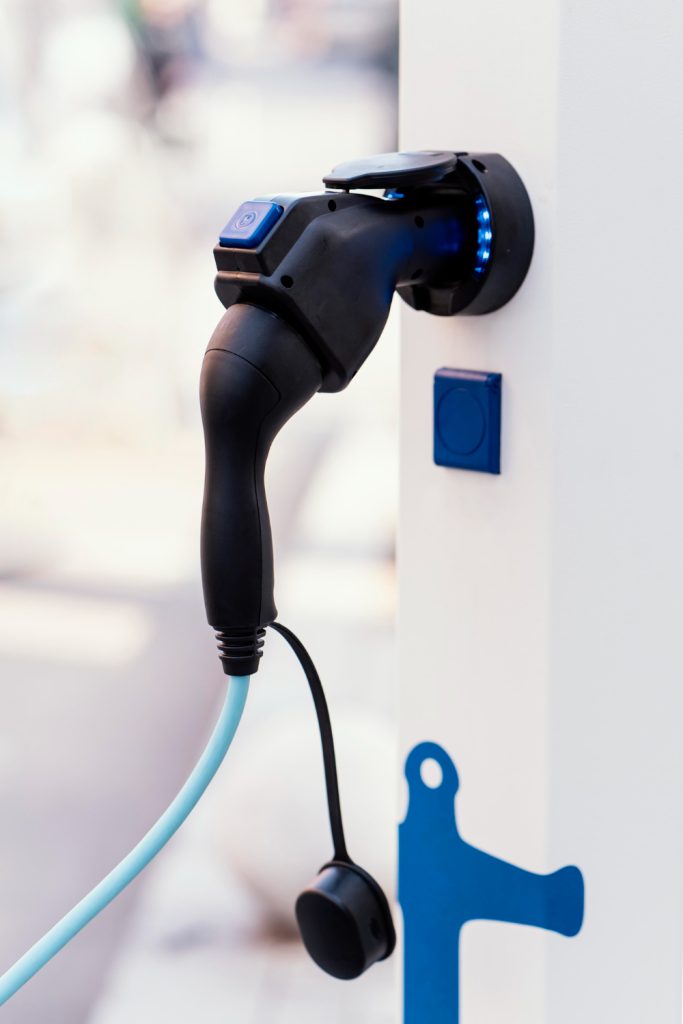
In contrast, dedicated EV chargers often come with additional safety features that mitigate the risks associated with charging an electric vehicle. They are specifically built to handle the demands of EV charging and have built-in safety mechanisms such as overcurrent protection and temperature monitoring. With a dedicated EV charger, you can have peace of mind knowing that your electric car is being charged safely.
Moreover, dedicated chargers often come with additional features like scheduling and monitoring capabilities. These features allow you to set specific times for charging or monitor the progress remotely through mobile apps or online platforms. You can easily track how much charge your car has received and plan accordingly based on your daily routine.
While public charging points are available for electric car (EV) owners who need a quick top-up while on the go, having a dedicated charger at home offers convenience and flexibility. You don’t have to rely solely on public infrastructure; instead, you can conveniently charge your EV overnight or whenever it suits you best.
To install a dedicated car charger at home, there are several factors to consider, including the capacity of your home’s electrical system and the need for any upgrades. It is recommended to consult a professional electrician who can assess your fuse box and determine if any modifications are necessary for the charging point.
Next, you’ll need to choose between a tethered or untethered charger. A tethered charger has a fixed cable attached to it, making it easier to plug in and start charging immediately. On the other hand, an untethered charger requires you to use your own charging cable, which offers more flexibility but requires you to carry the cable with you.
Finally, consider the location of your charger. Ideally, it should be installed near where you typically park your car for easy access. Installing a wall box charger provides a dedicated charging point that keeps cables tidy and protected from external elements.
Conclusion: Assessing Value and Costs of Home EV Charger Installation in 2023
Installing an EV charger at home is a smart investment for electric vehicle owners. By considering the factors affecting installation costs, hiring a qualified electrician, and choosing the right charging option, you can make an informed decision that aligns with your needs and budget.
Factors such as electrical upgrades, distance from the main panel, charger type, and charging point can impact the cost of installing an EV charger at home. It is crucial to assess these factors beforehand to avoid any surprises during the installation process.
Hiring a qualified electrician is essential for a safe and efficient installation of an EV charging point. They have the expertise to handle electrical work, ensuring that your EV charger is installed correctly and meets all safety standards. Don’t hesitate to research local electricians or seek recommendations to find someone reliable and experienced in working with EV cars.
There are two main choices: using a regular plug socket or opting for a dedicated car charger. While using a plug socket may seem convenient initially, dedicated car chargers offer faster-charging speeds and enhanced safety features specifically designed for EVs. Investing in a dedicated car charger can significantly improve your charging experience.
Assessing the value and costs of home EV charger installation involves considering factors affecting charging point installation costs, hiring a qualified electrician, and choosing between regular plug sockets or dedicated car chargers. By taking these steps into account, you can make an informed decision that suits your requirements while maximising the benefits of owning an electric vehicle.
Now that you have gained insights into home EV charger installation, take action today! Start researching local electricians who specialise in EV chargers or reach out to trusted suppliers for more information on available options. Embrace this opportunity to enhance your driving experience while contributing positively towards sustainable transportation.
FAQs
While it may be possible for some individuals with electrical knowledge to install an EV charger themselves, it is highly recommended to hire a qualified electrician. They have the expertise to ensure a safe and compliant installation.
The cost of installing an EV charger at home can vary depending on various factors such as electrical upgrades needed, distance from the main panel, and the type of charger chosen. It is advisable to request quotes from electricians or suppliers to get accurate pricing information.
While using a regular plug socket may be possible for slow charging, it is not recommended for long-term use. Dedicated car chargers offer faster charging speeds and are designed specifically for EVs, ensuring safety and efficiency.
Depending on your location, there might be government incentives or rebates available for home EV charger installation. Research local programs or consult with electricians/suppliers to explore potential financial assistance options.
Installing an EV charger will increase your electricity consumption; however, the impact on your bill depends on factors such as your driving habits, charging frequency, and local electricity rates. It’s advisable to evaluate these factors and estimate potential costs before making a decision.
The duration of the installation process can vary based on several factors like electrical system requirements and complexity. On average, it may take a few hours up to a full day for a professional electrician to complete the charge installation.
Dedicated car chargers are designed specifically for charging electric vehicles and may not be suitable or compatible with other electronic devices due to differences in voltage and power requirements. It is recommended to use the charger solely for its intended purpose.
While it is possible to uninstall an EV charger and take it with you when you move, it may require professional assistance. Compatibility with the electrical system at your new location should be evaluated before reinstalling the charger.
Home EV chargers generally have minimal maintenance requirements.