Cost of living crisis: How to save money on heating bills
As we face the ever-growing cost of living, one area that significantly impacts our budgets is heating bills. With energy prices on the rise, finding ways to save on heating costs has become crucial for households across the UK.
In this blog, we’ll explore practical strategies to keep your home warm without breaking the bank. From simple tips to energy-efficient upgrades, we’ve got you covered. By the end of this article, you’ll not only be informed but also ready to take action to reduce your heating expenses.
SAVE MONEY ON OUR HEATING APPLIANCES

Why Is the Cost of Heating So High?
Before we dive into money-saving tips, let’s understand why heating bills can be a significant expense.
Several factors contribute to the rising cost of heating, including:
1. Energy Price Inflation
The energy market is subject to fluctuations in global oil and gas prices. As these prices rise, so does the cost of heating fuel.
2. Poor Insulation
Many homes in the UK lack proper insulation, leading to heat loss. This means your heating system has to work harder to maintain a comfortable temperature.
3. Inefficient Heating Systems

Outdated or inefficient heating systems can consume more energy than necessary, driving up your bills.
4. Extreme Weather Conditions
Harsh winters or prolonged cold spells can lead to increased heating usage, further impacting your expenses.
Tips to Save Money on Heating Bills
Now, let’s get to the heart of the matter: how can you reduce your heating costs without sacrificing comfort?
Here are some practical tips:
1. Upgrade Your Insulation
Investing in better insulation for your home can pay off in the long run. It keeps warm air in and cold air out, reducing the need for constant heating.
2. Maintain Your Heating System
Regular maintenance of your heating system ensures it operates efficiently. This includes cleaning filters, checking for leaks, and scheduling professional inspections.
3. Embrace Energy-Efficient Appliances
Consider replacing old heating appliances with energy-efficient alternatives. Look for the ENERGY STAR label when shopping for heaters and thermostats.
4. Smart Thermostats
Install a programmable or smart thermostat to control your heating system more effectively. Set it to lower the temperature when you’re not at home or while you sleep.
5. Seal Leaks and Drafts
Identify and seal any drafts or leaks in your home, especially around windows and doors. This simple step can prevent heat from escaping.
6. Wear Warm Clothing
Sometimes, the simplest solutions are the most effective. Layer up and wear warm clothing to stay comfortable at a lower indoor temperature.
What is the cheapest way to run your heating?
As the cost of living continues to rise, finding the most cost-effective way to run your heating is essential. Fortunately, there are several strategies you can implement to keep your heating bills as low as possible.
Let’s explore some of the cheapest ways to run your heating system efficiently and economically:
1. Set Your Thermostat Wisely
One of the simplest and most effective ways to save on heating costs is to adjust your thermostat settings. During the winter months, consider keeping your thermostat at a comfortable yet energy-efficient temperature, typically around 18-21°C. When you’re away from home or sleeping, lower the thermostat by a few degrees to save even more.
2. Use a Programmable Thermostat
Investing in a programmable thermostat can make temperature management a breeze. You can schedule heating adjustments based on your daily routine, ensuring your home is warm when you need it and conserving energy when you don’t.
3. Seal Drafts and Leaks
Drafts and air leaks in your home can lead to significant heat loss. Inspect your doors and windows for gaps or cracks, and use weather stripping or caulk to seal them. This simple step prevents cold air from entering and warm air from escaping.
4. Proper Insulation
A well-insulated home retains heat better, reducing the workload on your heating system. Consider adding or upgrading insulation in your walls, attic, and floors. Insulated curtains or blinds can also help retain warmth inside your home.
5. Regular Maintenance
Ensure your heating system operates at peak efficiency by scheduling regular maintenance. Clean or replace filters, check for leaks, and have a professional inspection to catch any issues early. A well-maintained system uses less energy.
6. Consider Zoning
If possible, implement zoning in your home. This allows you to heat specific areas or rooms as needed, avoiding the unnecessary heating of unused spaces.
7. Harness Solar Heat
During sunny winter days, open your curtains or blinds to allow natural sunlight to heat your home. This passive solar heating can make a noticeable difference in your heating bill.
8. Layer Up
Sometimes, the simplest solutions are the most effective. Instead of cranking up the heat, consider wearing warm clothing, using blankets, and adding rugs to keep your feet warm. This way, you can lower the thermostat without sacrificing comfort.
9. Upgrade to Energy-Efficient Appliances
If your heating system is outdated, consider replacing it with an energy-efficient model. Look for appliances with high-efficiency ratings to reduce energy consumption and lower your bills.
10. Explore Government Grants and Incentives
Many governments offer grants or incentives for energy-efficient home upgrades. Check if there are programs available in your area to help offset the cost of insulation, heating system upgrades, or other energy-saving measures.
By implementing these strategies, you can significantly reduce your heating expenses, even during the cost of living crisis. Remember that small changes can lead to substantial savings over time. It’s not just about cutting costs; it’s about achieving a comfortable, affordable, and sustainable home environment.
Is it cheaper to leave the heating on all day?
Leaving the heating on all day can be more expensive than using a programmable thermostat to control your heating system efficiently.
Here’s why:
1. Constant Heating vs. Temperature Management: Leaving the heating on all day means your heating system continuously consumes energy, even when you don’t need it. This can lead to higher energy bills.
2. Energy Waste: Heating your home when you’re not there or when you’re asleep is wasteful. It’s more cost-effective to lower the temperature during these times and raise it when you’re active and need warmth.
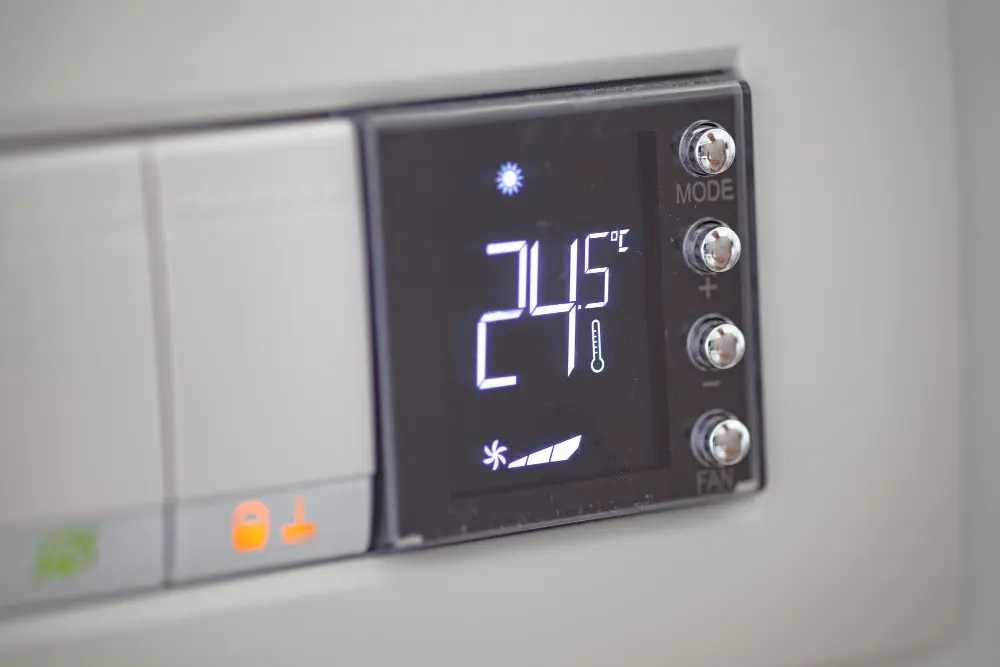
3. Programmable Thermostats: Using a programmable thermostat allows you to set specific times for heating adjustments. You can program it to lower the temperature when you’re away or asleep and raise it before you wake up or return home. This ensures your home is comfortable when needed while reducing energy consumption during idle times.
4. Temperature Recovery: Modern heating systems are efficient at quickly raising the temperature to your desired level. Therefore, there’s no need to keep the heating on all day to avoid waiting for your home to warm up when you return.
5. Cost Savings: Using a programmable thermostat to create heating schedules can lead to significant cost savings over time. You’ll consume less energy during periods of lower demand, which can result in lower heating bills.
6. Environmental Impact: Efficient temperature management not only saves you money but also reduces your carbon footprint by conserving energy.
Take Action and Save
Now that you’re armed with these money-saving tips, it’s time to take action. Saving on heating bills isn’t just about reducing expenses; it’s also about contributing to a sustainable future. By following these steps, you’ll not only save money but also reduce your carbon footprint.
In summary, it’s generally more cost-effective to use a programmable thermostat to control your heating system based on your daily routine. This allows you to enjoy a warm and comfortable home when you need it while minimising energy waste during idle times, making it a greener and more economical choice.
Is it cheaper to leave the thermostat on?
The decision to leave the thermostat on a constant setting or use a programmable thermostat depends on several factors. In many cases, using a programmable thermostat to create heating schedules based on your daily routine is more cost-effective and energy-efficient. It allows you to reduce heating during times when you don’t need it, leading to potential savings on your heating bills. However, in specific situations, such as mild climates and well-insulated homes, leaving the thermostat on a constant setting might be a viable option to maintain a consistent temperature while managing costs.
Does turning off radiators save money?
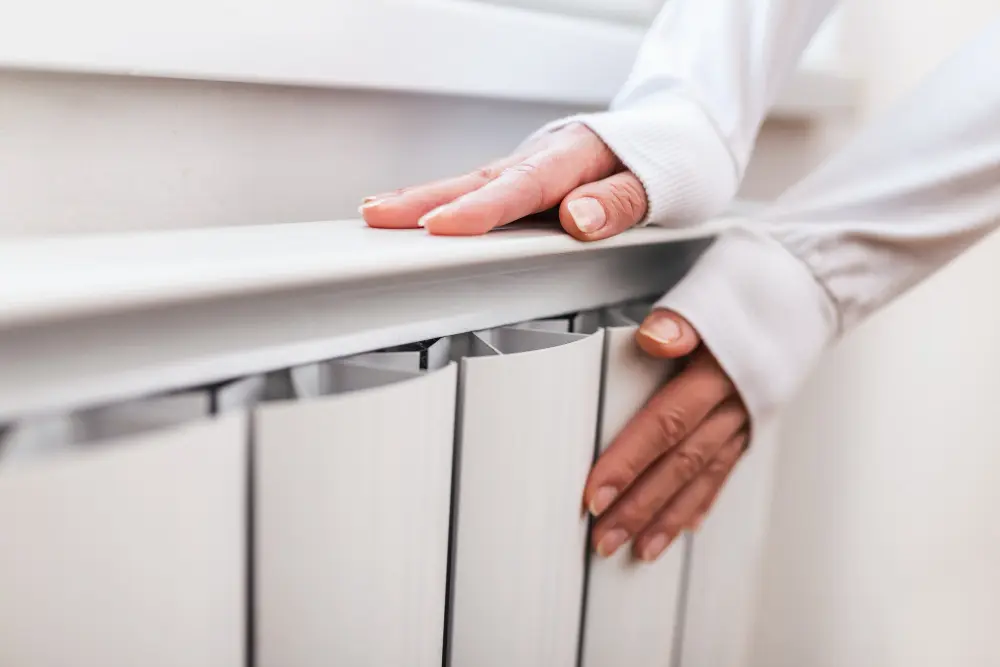
Turning off radiators in unused or infrequently used rooms can save you money by reducing energy consumption and heat loss. However, it’s important to strike a balance and consider the specific needs of your home and climate. Using a programmable thermostat can help you create heating schedules tailored to your routine, providing even greater efficiency and cost savings in managing your heating system.
Start Saving
The cost of living crisis has us all searching for ways to tighten our budgets. When it comes to heating bills, these practical tips can make a significant difference. Start with small changes like adjusting your thermostat and sealing drafts, and consider long-term investments in insulation and energy-efficient appliances. Your wallet and the environment will thank you.
Your Path to Savings Starts Here
Ready to take control of your heating bills and enjoy a more comfortable home? Contact Fortis Electrical today. Our expert team specialises in energy-efficient solutions that can help you save money and reduce your carbon footprint. Don’t let the cost of living crisis weigh you down—let’s make your home warmer and your wallet happier.
Call us to schedule a consultation and start your journey to a more energy-efficient home. Your savings await!