Will Energy Prices Go Down In October 2023?
As we step into the autumn of 2023, many are wondering what the future holds for energy prices.
Will October bring relief to consumers who have been grappling with rising energy costs? In this blog, we’ll explore the factors at play and attempt to forecast the direction of energy prices for the coming month.
Understanding the Dynamics
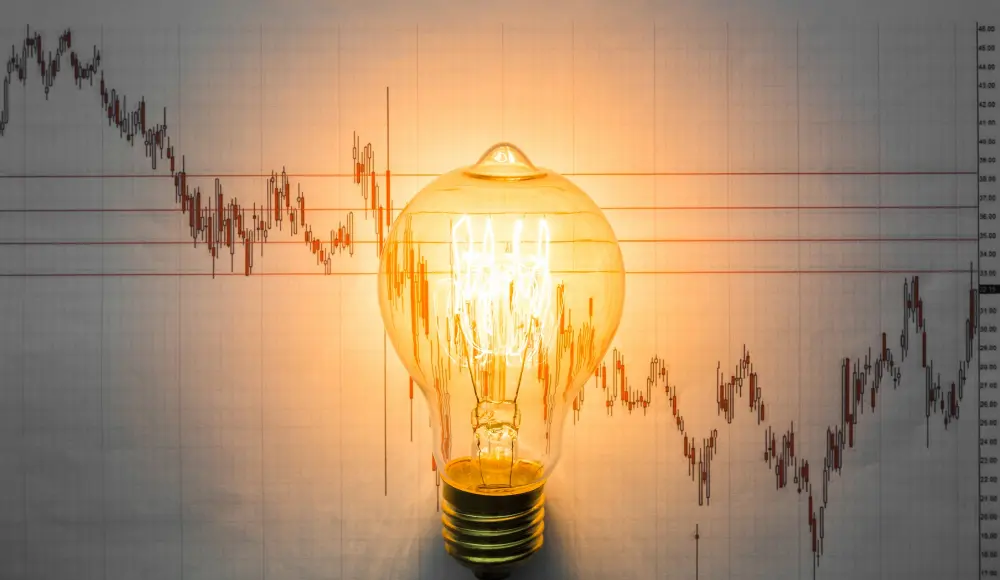
Before making any predictions, it’s essential to grasp the factors influencing energy prices. Energy markets are sensitive to various elements, including supply and demand, geopolitical events, weather patterns, and government policies.
Let’s break down some of these key factors:
- Supply and Demand: The basic principle of economics holds true in the energy sector as well. If demand for energy exceeds supply, prices tend to rise. Conversely, when supply outpaces demand, prices may stabilise or even decrease.
- Geopolitical Events: Global events such as conflicts in oil-producing regions can have a significant impact on energy prices. Any disruptions in the supply chain can lead to price volatility.
- Weather Patterns: Weather plays a vital role in energy consumption. Cold winters or hot summers can increase the demand for heating or cooling, respectively, which affects energy prices.
- Government Policies: Energy policies and regulations, such as taxes or subsidies, can influence energy prices. Changes in government stance on renewable energy, for instance, can impact the cost of electricity.
Recent Trends
Looking back at the previous months, we’ve seen a consistent uptick in energy prices. This has been driven by factors like increased global demand, supply chain disruptions, and geopolitical tensions. However, predicting the exact trajectory of energy prices for October 2023 is challenging.
What Can We Expect in October 2023?
While we can’t provide a definitive answer, it’s worth noting that energy markets are highly unpredictable.
Nevertheless, here are a few scenarios that could unfold:
- Continued Rise: If the factors driving prices up persist, we might see a continuation of the upward trend in energy costs throughout October.
- Stabilisation: If supply chain disruptions ease and demand normalises, there could be a stabilisation in prices.
- Slight Decrease: In some cases, prices may experience a modest decline if demand decreases and supply increases.
Analysing Energy Market Trends: Predictions for October 2023
While predicting energy market trends with absolute certainty is challenging, we can make educated predictions based on current indicators:
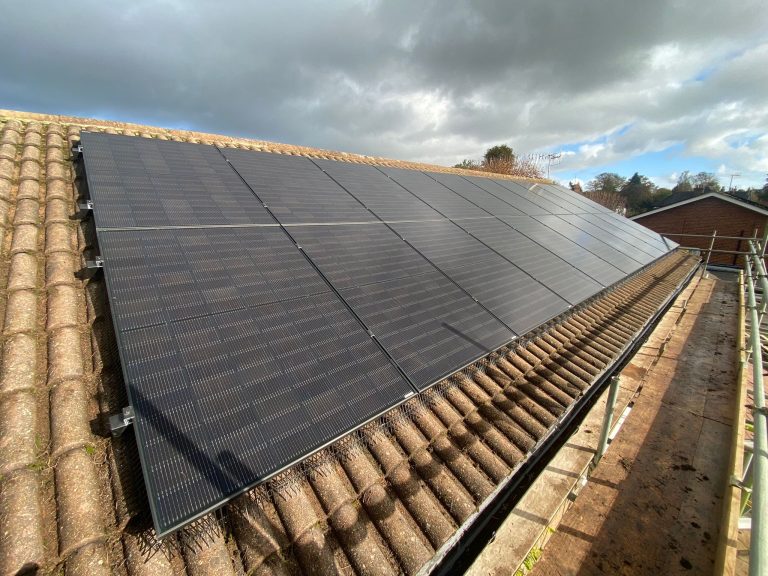
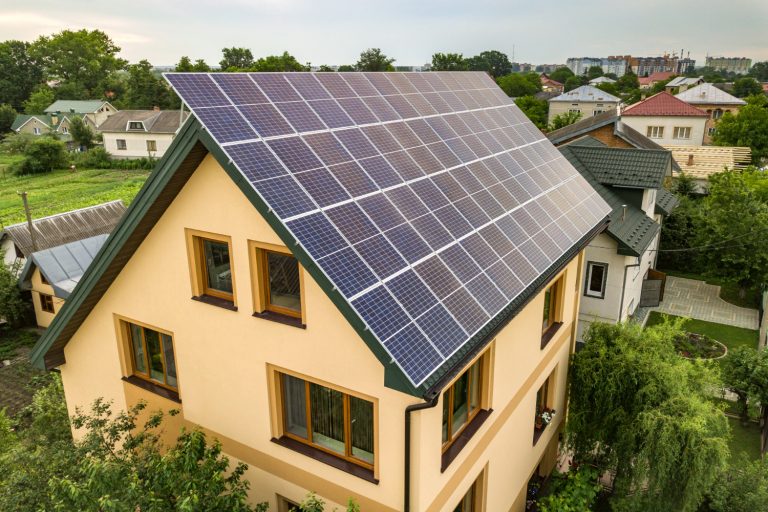
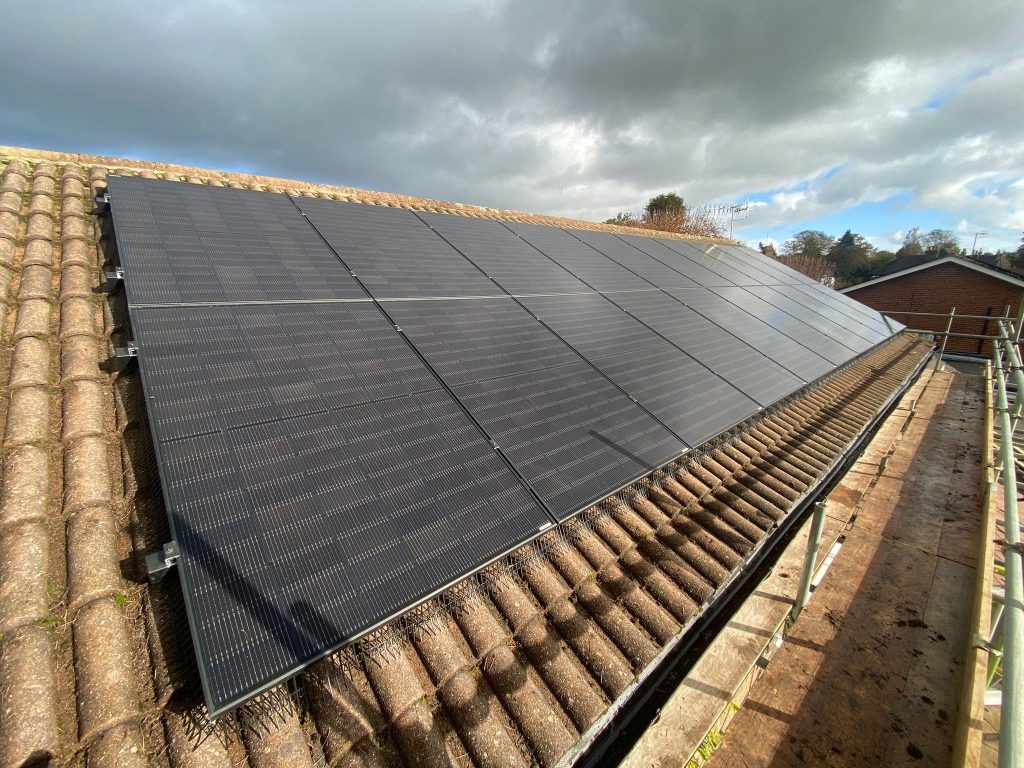
Renewable Energy Expansion: The momentum behind renewable energy sources is expected to continue. In October 2023, we anticipate increased investment in solar panels and wind energy projects. This may lead to a more diversified energy mix and potentially lower prices in some regions.
Supply Chain Recovery: It’s possible that supply chain disruptions will gradually ease as global conditions improve. This could result in improved availability and potentially more stable pricing for conventional energy sources.
Energy Efficiency: Businesses and consumers are likely to continue their focus on energy efficiency. This includes adopting energy-saving technologies, investing in electric vehicle charging infrastructure, and implementing smart energy solutions.
Policy Changes: Keep an eye on government policies and regulations. Any shifts in energy policies can have a significant impact on the market. Potential changes may include carbon pricing, subsidies for renewable energy, or regulations on emissions.
Understanding Seasonal Energy Price Fluctuations: What to Expect in Fall
As temperatures drop, heating costs are likely to rise. It’s essential for homeowners and businesses to prepare for increased energy bills during the fall and winter months. Fall is an ideal time to assess and improve energy efficiency. Consider energy-saving measures, such as better insulation or upgrading to energy-efficient appliances.
The fall season can be an excellent time to invest in renewable energy sources, like solar panels. They can help offset higher energy costs and reduce your environmental footprint. Keep an eye on global and regional energy market dynamics. Geopolitical events, supply chain disruptions, and government policies can all impact energy prices.
Energy Price Management: Strategies for Consumers in Uncertain Times
Conduct an energy audit to identify areas where energy is being wasted. This can help you pinpoint specific improvements that will have the most significant impact on your energy efficiency. Investigate energy providers and plans. Some offer variable rates that change with market conditions, while others offer fixed rates that remain stable for a set period. Depending on your situation, one may be more advantageous than the other.
Embrace smart technology to control and monitor your energy usage. Smart thermostats, lighting, and appliances allow you to adjust energy consumption based on your needs and preferences. Be mindful of peak energy usage times in your area. Try to schedule energy-intensive tasks, like laundry or dishwashing, during off-peak hours when energy rates are lower.
Regularly review your energy bills. Look for unusual spikes in usage and investigate the causes. Understanding your consumption patterns can help you make informed decisions. If you own an electric vehicle (EV), consider installing an EV charging station at home. This can be more cost-effective than relying solely on public charging stations.
Stay updated on energy market trends, global events, and government policies that could impact energy prices. Being aware of potential changes allows you to plan and adapt accordingly.
What Should You Do?
As consumers, it’s essential to stay informed about energy trends and monitor your usage. Consider energy-saving measures and explore renewable energy options, such as solar panels and electric vehicle charging, to mitigate the impact of rising prices.
In conclusion, while we can’t predict with certainty whether energy prices will go down in October 2023, it’s crucial to be prepared for different scenarios. Stay tuned to market updates and make informed decisions to manage your energy expenses effectively.