The Impact of Weather on EV Charging
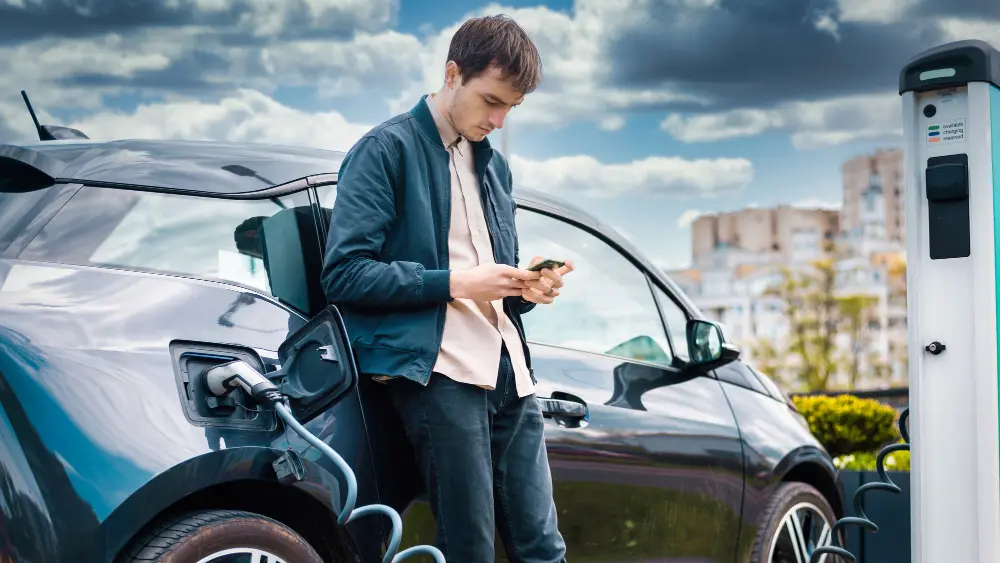
When it comes to electric vehicle (EV) charging, one often-overlooked factor can significantly influence the efficiency and convenience of the process: the weather. As the proud owner of an electric car, you’re no stranger to the benefits of clean, sustainable transportation. However, understanding how different weather conditions can impact your EV charging experience is essential to maximise your vehicle’s potential.
In this comprehensive guide, we’ll delve into the various ways weather affects EV charging and provide practical tips to optimise your charging process, particularly during the challenging winter months. Whether you’re a seasoned EV owner or considering making the switch, this blog will empower you to make the most out of your electric vehicle, no matter the forecast.
Weather Matters: How Climate Conditions Affect Electric Vehicle Charging
Weather plays a pivotal role in the world of EV charging. Let’s explore the key ways in which climate conditions can impact your charging experience.
Rain or Shine: The Consistency of Charging
Electric vehicle charging is remarkably consistent, regardless of the weather. Rain, sun, or snow, your EV is always ready to power up. However, some nuances come into play that can affect charging speed and efficiency.
Cold Snap: Winter Charging Challenges
Winter can be a challenging season for EV owners. The cold temperatures can lead to decreased battery performance and slower charging times. But fear not; there are strategies to overcome these hurdles.
1. Preconditioning: Your Car’s Warm-Up Routine
Just as you bundle up before heading out into the cold, your electric vehicle needs some extra care during winter. Preconditioning your car before charging can help maintain battery efficiency. By activating this feature while your vehicle is still plugged in, you can warm up the battery and cabin, ensuring a smoother and faster charging process.
2. Charging Time Adjustment: Plan Ahead
In colder weather, it’s advisable to allow a bit more time for charging. A slower charging rate is typical in low temperatures, so plan your charging sessions accordingly to avoid any last-minute delays.
3. Parking in Sheltered Areas: Shielding from the Elements
Whenever possible, park your EV in a sheltered or heated garage during extreme cold spells. This not only protects your vehicle’s battery but also ensures that your charging experience remains efficient and predictable.
Winter Charging Challenges: Overcoming Cold Weather Hurdles for EV Owners
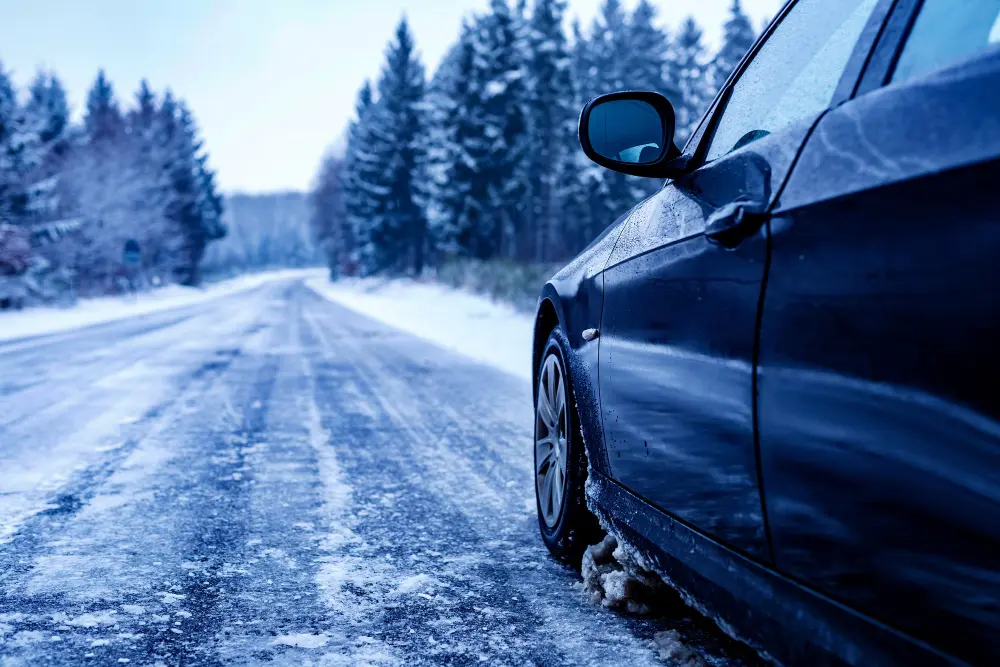
Winter can be a testing time for electric vehicle (EV) owners, as cold weather can significantly affect your vehicle’s performance and charging experience. Here, we’ll explore the specific hurdles you may encounter during the winter months and provide practical solutions to overcome them:
1. Decreased Battery Efficiency
Cold temperatures can lead to reduced battery efficiency, which means you might not get as much range out of your EV as you do in warmer seasons.
To counter this:
- Preconditioning: Consider using your car’s preconditioning feature to warm up the battery before charging or driving. This can help maintain efficiency.

- Plan for Longer Charging: Recognise that charging may take longer in colder weather, so adjust your schedule accordingly to avoid last-minute delays.
2. Snow and Ice Challenges
Snow and ice can create practical obstacles for EV charging, such as frozen charging connectors or difficulties accessing charging stations.
To tackle these challenges:
- Keep Connectors Clear: Before attempting to charge, ensure that all charging connectors are free from ice and snow. Use appropriate tools to clear any obstructions safely.
- Use Sheltered Charging Stations: Whenever possible, opt for charging stations with shelter or canopies to shield you and your EV from the elements.
3. Range Anxiety
Cold weather can lead to “range anxiety,” where EV owners worry about running out of charge before reaching their destination. To alleviate this concern:
- Plan Your Routes: Use EV navigation apps that consider temperature and weather conditions to estimate your range more accurately.
- Pack Emergency Supplies: Carry an emergency kit with warm clothing, blankets, and snacks in case you need to wait for assistance in cold conditions.
4. Battery Degradation
Repeated exposure to extreme cold can contribute to battery degradation over time. To protect your battery:
- Park in a Heated Garage: Whenever possible, park your EV in a heated garage during severe cold spells to maintain battery health.
- Charge Strategically: Be mindful of your charging habits. Avoid frequent, fast charging in extremely cold temperatures, as it can accelerate battery wear.
By understanding these winter charging challenges and implementing these solutions, you can make the most of your electric vehicle, even in the coldest of seasons. Don’t let winter weather deter you from enjoying the benefits of eco-friendly driving – with the right precautions, your EV will continue to serve you reliably all year round.
Optimising Charging Efficiency: Weather-Based Tips for Electric Car Users
Electric vehicle (EV) ownership is not just about getting from point A to point B; it’s about making your journeys as efficient and enjoyable as possible, regardless of the weather. Here, we’ll explore weather-based tips to help you optimise your charging experience and get the most out of your EV.
1. Harness the Power of Preconditioning
Preconditioning your EV before charging or driving is a valuable practice, especially in colder weather. This involves warming up your vehicle’s battery and cabin while it’s still plugged in.
Here’s how it benefits you:
- Improved Efficiency: Preconditioning ensures that your battery operates at an optimal temperature, which can result in faster charging times and an extended range.
- Comfortable Interior: Starting your journey with a warm cabin enhances your comfort during the winter months, reducing the need for energy-consuming cabin heating.
2. Adjust Your Charging Schedule
Cold weather can slow down charging, so it’s essential to plan your charging sessions accordingly:
- Schedule Longer Charging Times: Recognize that charging may take longer in colder temperatures. Plan for this by starting your charging sessions with a larger time buffer.
- Off-Peak Charging: If possible, schedule your charging during off-peak hours when the grid is less congested. This can lead to faster charging and lower electricity costs.
3. Choose Sheltered Parking
Whenever you have the option, park your EV in a sheltered or heated garage during extreme cold spells. This has several advantages:
- Battery Protection: Sheltered parking shields your battery from the harshest cold, helping to maintain its efficiency and longevity.
- Comfortable Charging: You’ll be more comfortable while waiting for your EV to charge in a heated garage, especially during inclement weather.
4. Monitor Your Battery Health
Keeping a close eye on your battery’s health is crucial, particularly in challenging weather conditions:
- Regular Maintenance: Follow your vehicle manufacturer’s recommended maintenance schedule, including battery health checks.
- Avoid Rapid Charging in Extreme Cold: Limit frequent, fast charging in extremely cold temperatures, as this can accelerate battery wear.
5. Use Weather-Adaptive Navigation Apps
Take advantage of navigation apps designed for EVs, which consider temperature and weather conditions when estimating your range. These apps can help you make informed decisions about when and where to charge, ensuring you reach your destination comfortably.
By incorporating these weather-based tips into your EV ownership routine, you can enhance your charging efficiency and overall driving experience. Don’t let the weather dictate your journey – with these strategies, you’ll be well-prepared to enjoy your electric vehicle year-round.
Climate-Ready EV Infrastructure: How Charging Stations Adapt to Extreme Weather
As the popularity of electric vehicles (EVs) continues to surge, the need for robust and climate-ready charging infrastructure becomes increasingly evident. Extreme weather conditions, from blistering heat waves to frigid winter storms, can pose challenges to both EV owners and charging station operators. In this article, we’ll explore the ways in which charging stations are adapting to extreme weather to ensure a seamless and reliable charging experience.
1. Extreme Heat: Cooling Solutions
Hot weather can lead to overheating issues in EVs and charging equipment. To combat this, charging stations are implementing the following solutions:
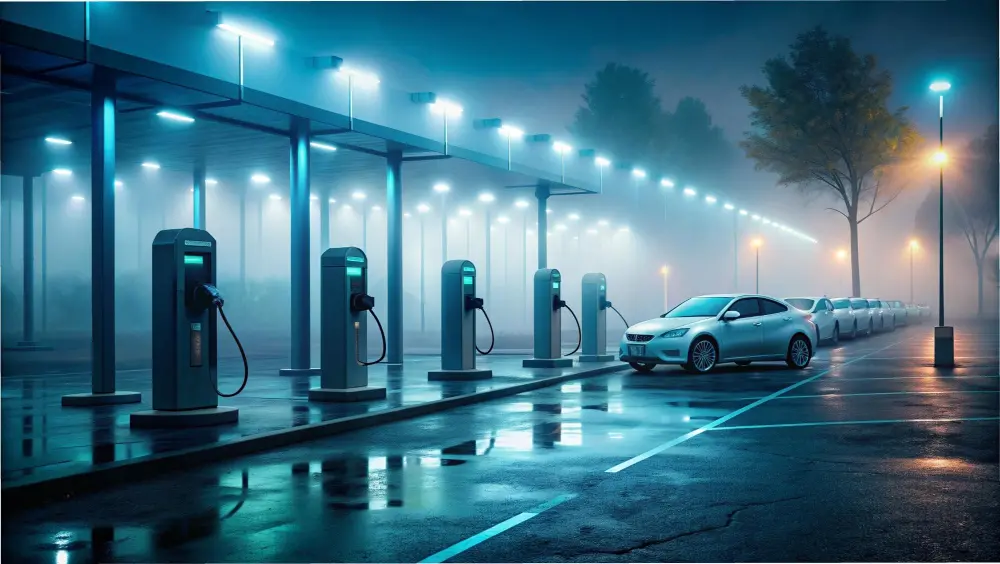
- Thermal Management: Charging stations are equipped with advanced thermal management systems to dissipate heat effectively. This prevents overheating during extended charging sessions on scorching days.
- Shade Structures: Some charging stations provide shaded areas to protect both EVs and charging equipment from direct sunlight, reducing the risk of overheating.
2. Bitter Cold: Cold-Weather Charging Solutions
Winter can be challenging for EV owners, with cold temperatures affecting battery performance. Charging stations are addressing this issue with:
- Preconditioning Support: Many charging stations now support pre-conditioning, allowing EV owners to warm up their batteries before charging. This minimises the impact of cold weather on charging efficiency.
- Cold-Weather Battery Management: Charging stations monitor battery temperatures and adjust charging rates accordingly in extreme cold to protect the battery from damage.
3. Snow and Ice: Accessibility and Safety Measures
Snow and ice can hinder access to charging stations and create safety concerns. To address these challenges, charging stations offer:
- Regular Snow Removal: Station operators prioritise snow removal to ensure access to charging equipment, making it easier for EV owners to charge their vehicles.
- Safe Charging Zones: Some stations designate specific areas for EV charging, keeping them clear of ice and snow to ensure safe and efficient charging.
4. Lightning and Electrical Storms: Safety Protocols
Electrical storms can pose risks to charging stations and EVs. To mitigate these dangers, charging stations implement:
- Surge Protection: Charging stations are equipped with surge protection devices to safeguard against power surges caused by lightning strikes.
- Emergency Shutdown Procedures: In the event of an electrical storm, charging stations have procedures in place to temporarily shut down, ensuring user safety.
5. User-Friendly Interfaces
To enhance the user experience during extreme weather, charging stations offer user-friendly interfaces with:
- Weather Updates: Some stations provide real-time weather updates to help EV owners plan their charging sessions around inclement weather.
- Remote Monitoring: Users can monitor charging station availability and conditions remotely, reducing exposure to extreme weather.
6. Rapid Response Teams
In cases of extreme weather emergencies, charging station operators have rapid response teams in place to address issues promptly.
Climate-ready EV infrastructure is essential to meet the growing demand for electric vehicles and ensure a reliable charging experience regardless of weather conditions. As EV adoption continues to rise, expect further innovations and improvements in charging station technology to keep you on the road, no matter what Mother Nature throws your way.