Solar-Powered Drones that Recharge Your Electric Vehicle
“Envision a future where wireless charging technology allows your electric vehicle to effortlessly charge itself, using car chargers powered by battery storage. It’s not science fiction; it’s the reality of sustainable transportation.”
Say goodbye to conventional chargers and embrace the future of EV charging with solar-powered drones. These drones use battery technology to efficiently charge electric vehicles, making them a sustainable alternative to traditional methods. With the help of DJI’s advanced technology, these drones can even navigate and land on inclined PV panels, ensuring maximum solar energy absorption.
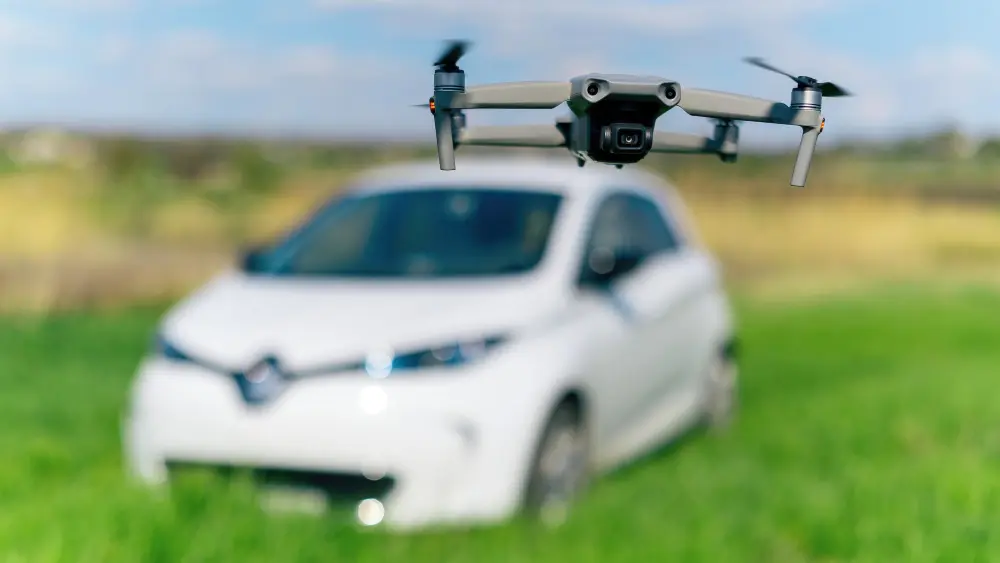
This innovative solution reduces reliance on the grid and promotes clean energy usage. These drones use battery technology to efficiently charge electric vehicles, making them a sustainable alternative to traditional methods. With the help of DJI’s advanced technology, these drones can even navigate and land on inclined PV panels, ensuring maximum solar energy absorption.
Drones in the Sky: How Solar Technology Enables Remote EV Charging
Solar-powered drones are revolutionising wireless charging for electric vehicles (EVs), even in remote areas with no access to a car charger. These drones use PV panels to harness the sun’s energy and charge the EV’s battery. These innovative drones utilise solar technology and a battery to operate without relying on traditional power sources. The drones can be charged wirelessly using a pv panel, making them convenient and environmentally friendly. Here’s how this cutting-edge product, with its grid-based design, is making a difference by incorporating wireless charging and solar heating technology.
- Unleashing the Power of Solar Energy: By harnessing solar energy through pv panels, these drones can access and utilise renewable power while soaring through the sky.
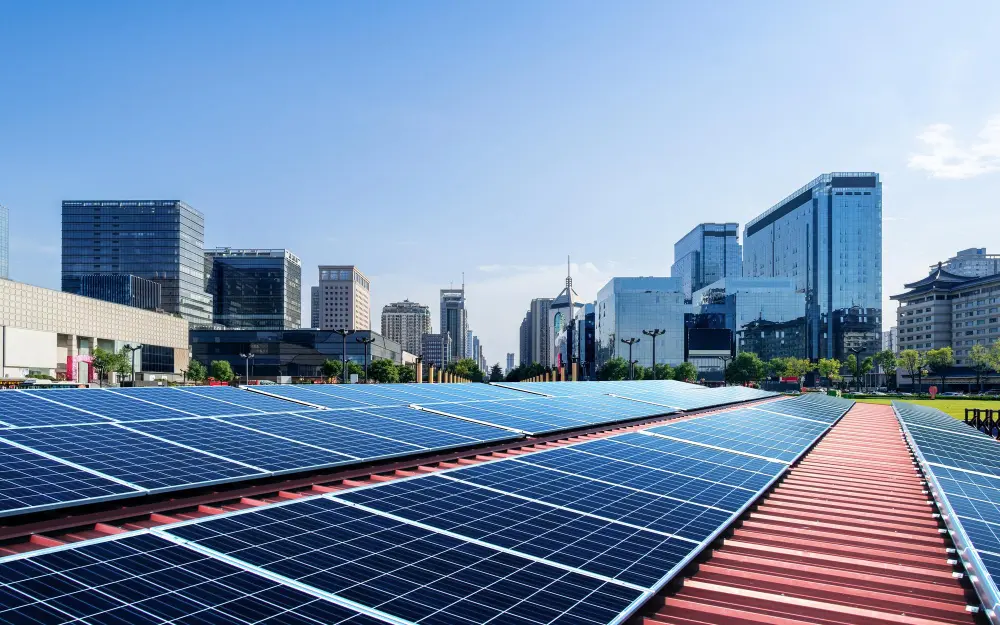
With wireless charging capabilities, they can efficiently recharge their batteries without relying on the grid. This wireless charging technology eliminates the need for grid infrastructure limitations and enables batteries to navigate even the most inaccessible locations, utilising the power of arc.
- Remote EV Charging Made Possible: With their ability to tap into solar energy, these drones serve as mobile charging stations for electric vehicles. The drones are equipped with a battery and charger, allowing them to store and deliver power from the pv panel directly to the electric vehicles. This innovative solution eliminates the need for a traditional grid connection, making it convenient for users to charge their EVs in remote locations. The drones are equipped with a battery and charger, allowing them to store and deliver power from the pv panel directly to the electric vehicles. This innovative solution eliminates the need for a traditional grid connection, making it convenient for users to charge their EVs in remote locations. They can travel to remote areas where conventional charging infrastructure is lacking or non-existent, offering a convenient solution for EV owners who venture off-grid. This is especially true for owners of battery-powered vehicles who may rely on a drone charger to recharge their batteries in these remote locations.
- Additionally, the use of PV panels can provide a sustainable and renewable source of energy for charging, reducing reliance on fossil fuels. However, it’s important to note that using PV panels can also pose risks, such as the potential for an arc to occur during the charging process. This is especially true for owners of battery-powered vehicles who may rely on a drone charger to recharge their batteries in these remote locations. Additionally, the use of PV panels can provide a sustainable and renewable source of energy for charging, reducing reliance on fossil fuels. However, it’s important to note that using PV panels can also pose risks, such as the potential for an arc to occur during the charging process.
- Versatility and Accessibility: The use of EV Arc drone chargers allows electric vehicle users to charge their cars anywhere they go, thanks to its battery and grid connectivity. Whether it’s a camping trip in the wilderness or exploring uncharted territories, these solar-powered drones ensure that EV owners have access to reliable charging options regardless of their location. With the help of a battery and charger, these drones use pv panels to harness solar energy and provide a grid-independent charging solution for electric vehicles. With the help of a battery and charger, these drones use pv panels to harness solar energy and provide a grid-independent charging solution for electric vehicles.
The Future of Mobility: Exploring the Environmental Benefits of Solar EV Drones
Solar-powered drone charging is revolutionising the way we recharge electric vehicles (EVs) by utilising photovoltaic (PV) technology. This innovative method offers significant environmental advantages as it harnesses the power of the sun to charge EV batteries, eliminating the need for traditional grid-based chargers. By harnessing renewable energy sources such as solar PV, this technology reduces our reliance on fossil fuels and effectively decreases carbon emissions. Additionally, it allows for efficient battery charging and integration with the grid.
The use of autonomous and wireless drone models for EV charging introduces a range of potential indicators that highlight its positive impact on the environment. These drone models can be equipped with battery technology to efficiently charge electric vehicles. Additionally, the drones can connect to the grid to ensure a steady power supply. By utilising photovoltaic (PV) panels, the drones can harness solar energy to further enhance their charging capabilities. These drone models can be equipped with battery technology to efficiently charge electric vehicles. Additionally, the drones can connect to the grid to ensure a steady power supply. By utilising photovoltaic (PV) panels, the drones can harness solar energy to further enhance their charging capabilities. Envision solar, DJI Mavic Pro, and others are among the leading drone manufacturers pioneering the use of battery-powered drones with PV panels to stay connected to the grid. Here’s how solar-powered drones with PV panels contribute to a cleaner and greener transportation system. These drones utilise battery technology and are designed to be used with the EV ARC charging station.
- Solar-powered drones reduce reliance on traditional electricity grids or fuel stations to charge EVs by eliminating the need for battery charging. These drones use PV panels to power the EVs. This independence from non-renewable energy sources, such as batteries and PV panels, helps decrease our carbon footprint. The EV ARC is a great example of utilising these renewable energy sources.
- By utilising clean solar energy, these drones significantly reduce carbon dioxide emissions associated with conventional methods of charging EVs. Additionally, the drones’ battery and panel technology further enhances their eco-friendly capabilities. This reduction plays a crucial role in combating climate change, especially when considering the use of battery-powered electric vehicles (EVs) and the installation of EV ARC charging stations.
- Alignment with sustainability goals: Incorporating solar-powered drones into EV charging aligns with sustainability objectives set by governments and organisations worldwide. This integration helps reduce dependency on traditional battery power sources. This integration helps reduce dependency on traditional battery power sources. The EV ARC promotes eco-friendly mobility options that support a more sustainable future by utilising its battery technology.
- Enhanced accessibility: Solar EV drones can reach remote areas where traditional charging infrastructure may be limited or nonexistent. This accessibility ensures that EV ARC electric vehicles can be charged conveniently regardless of location.
- Scalability and cost-effectiveness: As EV arc technology advances, it offers scalable solutions for widespread adoption of EV arcs in various regions globally. With the decreasing costs associated with solar panels and the advancements in drone technology, solar-powered EV ARC drone charging becomes an economically viable option for many individuals and businesses alike.
Embracing solar-powered drones for EV charging presents an opportunity to transform our transportation system into one that is more environmentally friendly and sustainable. By reducing reliance on fossil fuels, decreasing carbon emissions, aligning with sustainability goals, enhancing accessibility, and offering cost-effective solutions, solar EV drones pave the way for a cleaner and greener future.
Conclusion
Solar Drone Charging Stations: Paving the Way for EV Arc Sustainable Transportation
Imagine a world where your electric vehicle never runs out of charge, thanks to solar-powered drones hovering above, ready to recharge your car wherever you are. This innovative technology is not only revolutionising the way we think about transportation but also paving the way for a more sustainable future. By harnessing the power of the sun and utilising cutting-edge drone technology, solar drone charging stations offer an efficient and eco-friendly solution to our ever-growing need for clean energy.
With EV ARC solar drone charging stations, you can bid farewell to range anxiety and embrace worry-free travel. No longer bound by the limitations of traditional charging infrastructure, these EV ARC stations provide a seamless charging experience that is both convenient and reliable. Just picture it – as you drive down the open road, your EV’s battery starts running low. But fear not! A fleet of EV ARC solar-powered drones takes flight, swooping down like helpful companions to replenish your vehicle’s energy reserves. It’s like having your own personal EV pit crew in the sky!
So why wait? Embrace this exciting new era of sustainable EV transportation by exploring solar EV drone charging stations today. Join us in taking a leap towards a greener future where clean energy and EV mobility go hand in hand.