How Big Are Solar Panels UK?
Standard Sizes of Solar Panels
Solar panels come in various standard sizes, each designed to cater to specific energy needs and installation requirements. In the United Kingdom, the most common dimensions for residential solar panels range from 1.6 to 2 metres in height and 1 metre in width.
These dimensions, however, can vary based on the type of solar panel technology employed, such as monocrystalline or polycrystalline. Typically, residential solar panels have a capacity between 250 to 360 watts per panel, depending on their size and efficiency. On a larger scale,
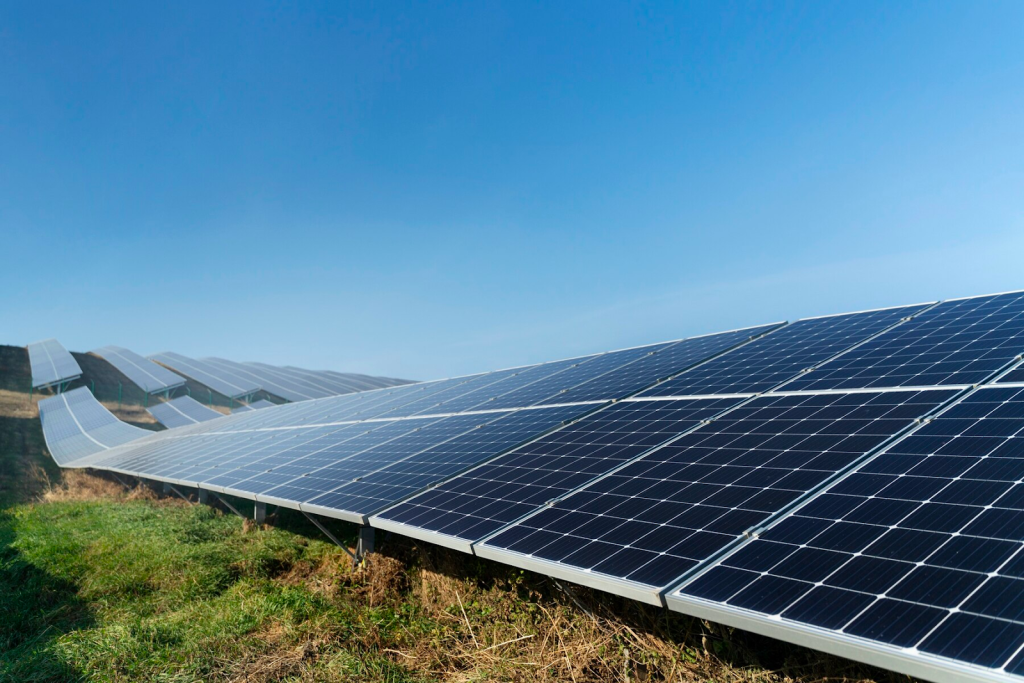
commercial and industrial installations often utilise solar panels with higher wattage and larger physical dimensions.
Understanding these standard sizes is crucial for individuals and businesses looking to harness solar energy, as it allows for optimal planning and customisation according to specific energy demands and available installation space.
Variations in Solar Panel Dimensions
The dimensions of solar panels can exhibit variations based on factors such as technology, efficiency, and intended use. In the United Kingdom, these variations are particularly pronounced, reflecting the diversity of solar installations. Monocrystalline solar panels, known for their higher efficiency, often have a sleeker design and slightly smaller dimensions compared to polycrystalline counterparts.
Thin-film solar panels, on the other hand, are typically more flexible and can be adapted to fit unconventional spaces, offering a departure from the rigid dimensions of crystalline panels. Additionally, variations arise in the context of residential, commercial,and industrial applications.

Residential solar panels tend to be more compact, fitting neatly onto rooftops, while commercial and industrial installations often involve larger, high-wattage panels optimised for expansive spaces. These variations underscore the importance of understanding the specific dimensions that align with one’s energy needs and available installation space.
Comparison of Residential Solar Panel Sizes
When comparing residential solar panel sizes, it’s essential to consider various factors that influence their dimensions and efficiency. Generally, residential solar panels in the United Kingdom range from 1.6 to 2 metres in height and around 1 metre in width. Monocrystalline solar panels, known for their high efficiency, often have a smaller physical footprint compared to polycrystalline counterparts.
The typical wattage for residential solar panels ranges between 250 to 360 watts per panel. Thin-film solar panels, while less common in residential settings, offer flexibility and adaptability to unconventional spaces due to their unique construction. Roof orientation, available space, and energy requirements are critical considerations when selecting the size and type of solar panels for residential use.
It’s important for homeowners to strike a balance between space utilisation and energy output to maximise the benefits of solar power in a residential setting.
Dimensions of Popular Solar Panel Models
While specific dimensions may vary between manufacturers and models, here are approximate dimensions for some popular solar panel models commonly used in residential settings:
LG NeON 2:
Dimensions: Approximately 1.68 m by 1.04 m Wattage: Varies (e.g., 330W, 365W)
SunPower Maxeon 3:
Dimensions: Approximately 1.67 m by 1.04 m Wattage: Typically ranges from 390W to 400W
Canadian Solar HiKu:
Dimensions: Approximately 1.76 m by 1.04 m Wattage: Varies (e.g., 405W, 415W)
Trina Solar TALLMAX:
Dimensions: Approximately 2.11 m by 1.05 m Wattage: Typically ranges from 375W to 395W
REC Alpha Series:
Dimensions: Approximately 1.7 m by 1.12 m Wattage: Varies (e.g., 340W, 380W)
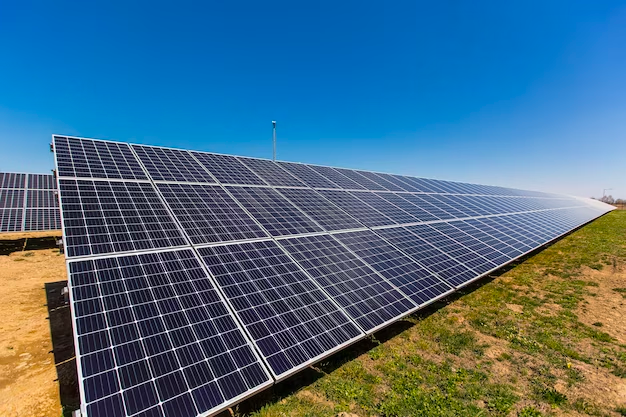
These dimensions are indicative and may change with new product releases or advancements in technology. It’s crucial to check the specifications provided by the manufacturer for the most accurate and up-to-date information when considering solar panels for your specific needs and installation space. Keep in mind that solar panels’ efficiency and wattage are equally important factors to consider alongside their physical dimensions.
Understanding Wattage and Physical Size Relationship
The relationship between wattage and physical size in solar panels is complex and influenced by factors such as efficiency, technological advances, type of solar cells, manufacturing processes, intended use, and space utilisation. Generally, higher-efficiency panels can produce more power within a smaller footprint.
Technological advancements and manufacturing processes contribute to the production of higher-wattage panels without significantly increasing their size. The type of solar cells, such as monocrystalline or thin-film, also plays a role in determining the balance between efficiency and size.
Ultimately, individuals should consider their specific needs, available installation space, and budget constraints when choosing solar panels, aiming for an optimal combination of efficiency, wattage, and physical dimensions.
Conclusion
Understanding the dimensions of solar panels is pivotal for those seeking to harness solar energy effectively. In the United Kingdom, residential solar panels typically range from 1.6 to 2 metres in height and 1 metre in width. These dimensions, influenced by factors like technology and efficiency, vary for monocrystalline, polycrystalline, and thin-film panels.