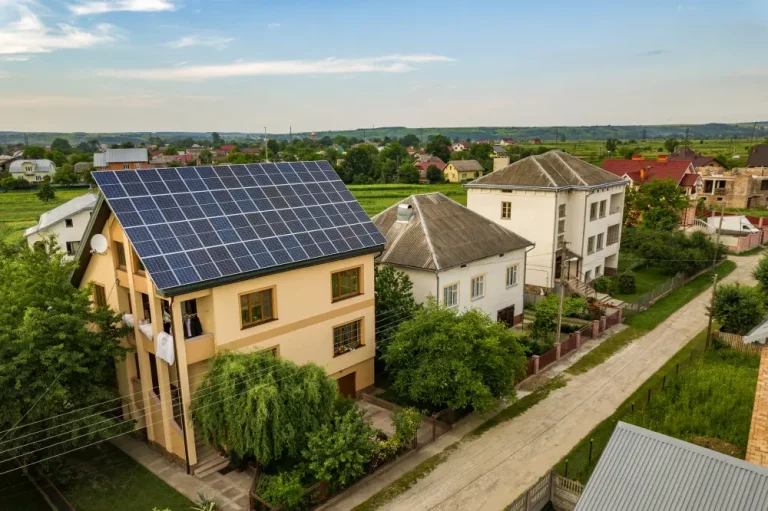
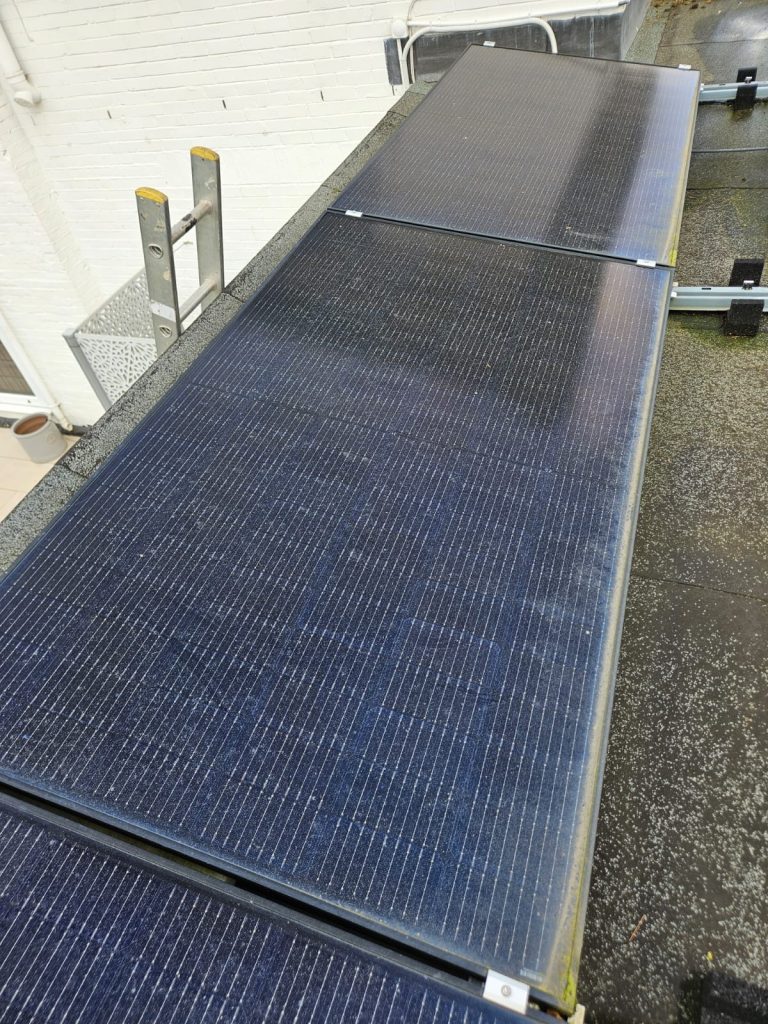
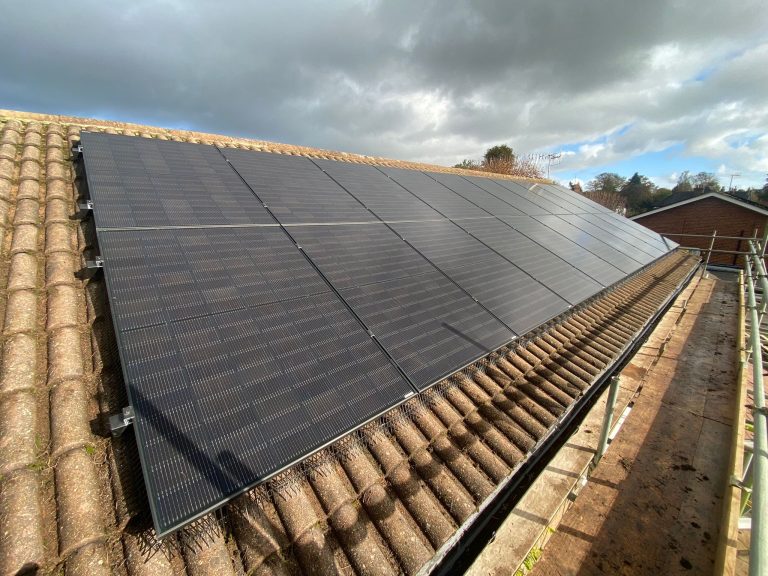
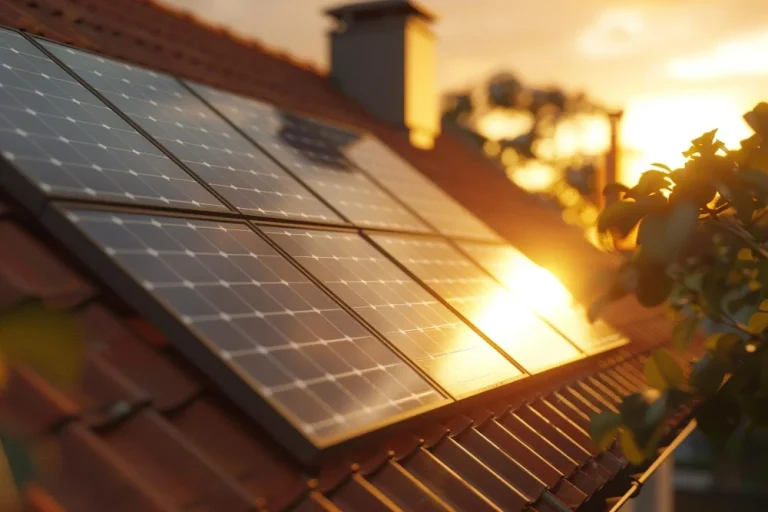
Do Solar Panels Need Direct Sunlight?
What are Solar Panels?
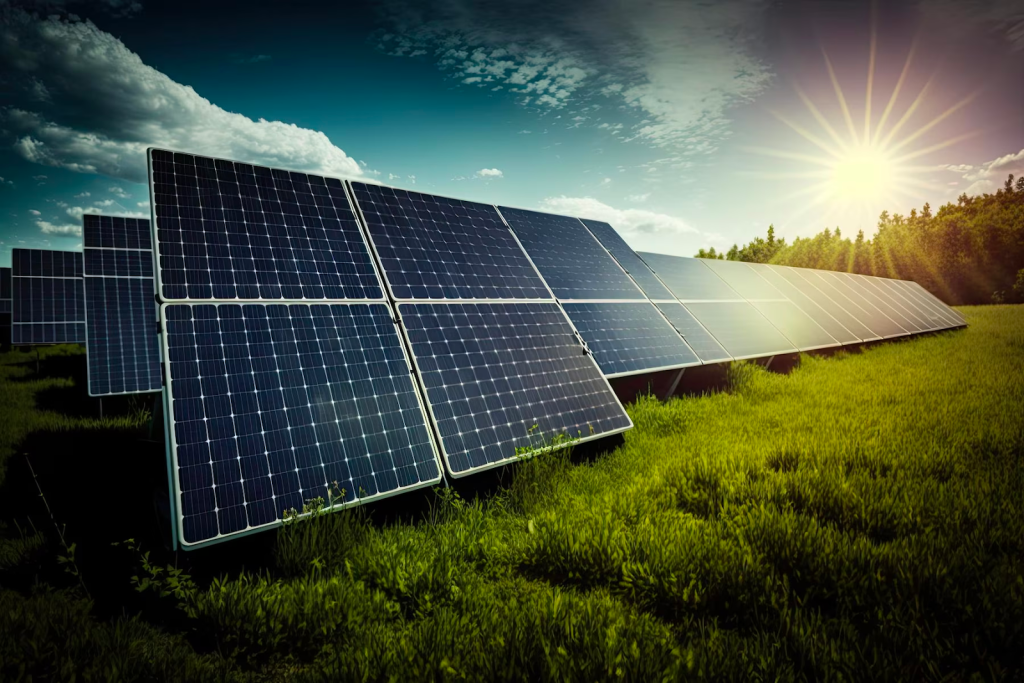
These innovative devices harness the power of sunlight to generate electricity, offering a clean and renewable alternative to traditional energy sources. At their core, solar panels utilise photovoltaic cells to convert sunlight into electrical energy through a fascinating process.
As society increasingly embraces environmentally friendly practices, understanding the fundamentals of solar panel
technology becomes paramount. This introductory exploration will unravel the workings of solar panels, shedding light on the pivotal role they play in mitigating our carbon footprint and ushering in a brighter, more sustainable future.
The Importance of Sunlight
Sunlight serves as the essential fuel that drives the photovoltaic cells within solar panels, initiating the conversion of sunlight into usable electrical energy. The intensity and duration of sunlight directly impact the efficiency of these panels, determining their ability to produce power. Solar panels thrive in direct sunlight, where unobstructed access allows for optimal energy absorption.
It is the radiant energy from the sun that activates the semiconductor materials within the panels, facilitating the generation of clean and sustainable electricity. Understanding the significance of sunlight in this process is fundamental for appreciating both the potential and limitations of solar power systems.
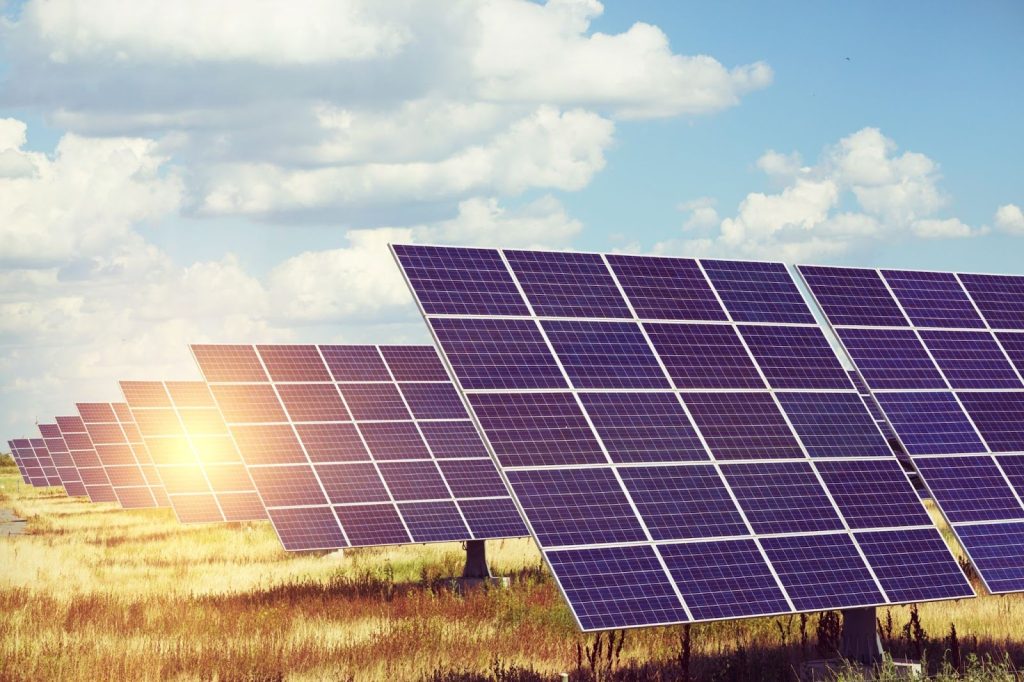
As we delve into the intricacies of harnessing solar energy, acknowledging the crucial role sunlight plays lays the foundation for unlocking the full potential of solar panels as a key player in the global shift towards renewable energy sources.
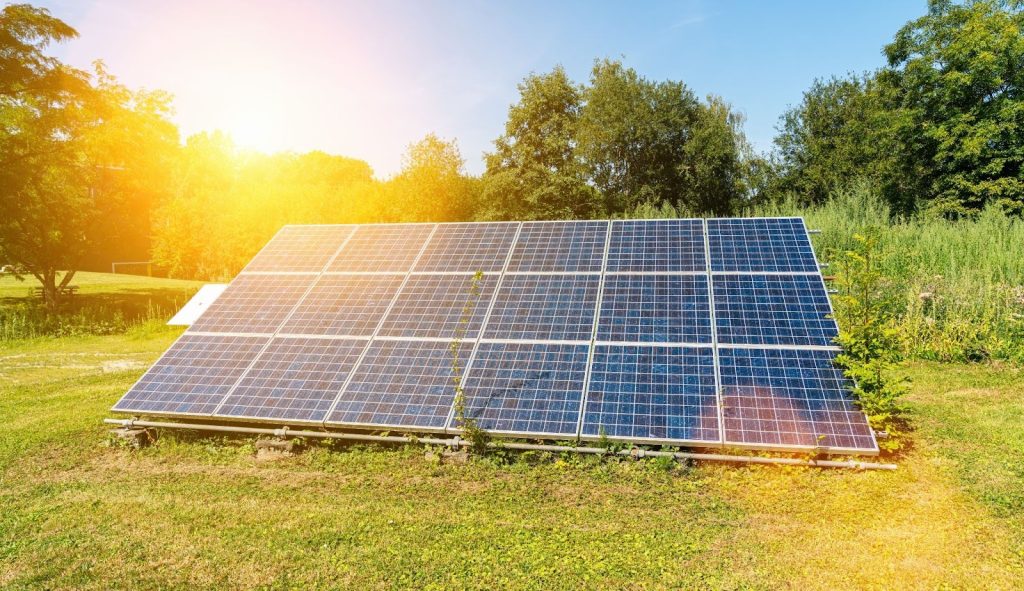
Direct Sunlight vs. Indirect Sunlight
Direct sunlight and indirect sunlight are two distinct categories that significantly influence the performance of solar panels. Direct sunlight refers to sunlight that reaches the solar panels without any obstruction, directly illuminating the photovoltaic cells. This unimpeded exposure allows for maximum energy absorption and efficient electricity generation. On the other hand, indirect sunlight, also known as diffuse sunlight, occurs when sunlight is scattered or reflected by the atmosphere or surrounding objects before reaching the solar panels.
While indirect sunlight may be less intense than direct sunlight, solar panels can still harness this diffused light to generate electricity, albeit at a reduced efficiency. Understanding the differences between direct and indirect sunlight is crucial for evaluating how environmental conditions impact the output of solar panels.
Factors such as time of day, weather patterns, and geographical location play pivotal roles in determining the type and amount of sunlight available, shaping the overall effectiveness of solar energy systems.
Solar Panel Efficiency Factors
Several key factors influence the efficiency of solar panels, determining their ability to convert sunlight into electrical energy effectively. One primary factor is the intensity of sunlight, as solar panels operate most efficiently in direct and unobstructed sunlight. The angle and orientation of the solar panels also play a crucial role, with optimal positioning allowing for maximum exposure to sunlight throughout the day.
Additionally, the duration of sunlight exposure, influenced by factors like geographic location and time of year, directly impacts overall energy production. The presence of shading or obstructions, even small ones, can significantly reduce efficiency by limiting the surface area available for sunlight absorption. Technological advancements, such as the use of high-quality materials and improved manufacturing processes, contribute to enhancing solar panel efficiency.
Understanding and optimising these factors are essential for maximising the performance of solar panels and ensuring they contribute efficiently to the generation of clean and sustainable energy.