What Is Battery Storage?
Have you ever worried about your gadgets running out of juice when there’s no power socket in sight? Or perhaps you live in an area where the electricity supply isn’t always reliable, and blackouts are more common than you’d like.
The solution to these power problems can be found in a technology that’s gaining traction for its ability to store energy – battery storage. Imagine having a ‘power bank’ not just for your phone but for your entire home or even your community.
Our blog post dives into how this handy tech works and shows ways it helps keep the lights on, reduce pollution, and support clean energy sources.
Whether you’re curious about installing batteries at home or just want to learn more, we’ve got the lowdown on making the most of stored power.
Ready to discover a brighter future with battery storage? Keep reading.
Key Takeaways
- Battery energy storage systems save electricity for when it’s needed. They can use power from the sun or wind and keep it in large batteries.
- These batteries help make renewable energy like solar and wind more reliable because they work even when the sun isn’t shining or the wind isn’t blowing.
- There are different types of battery storage such as Lithium-Ion, Lead Acid, Flow Batteries, and Sodium-Sulfur (NaS) Batteries.
- Homes and businesses use battery storage to cut down on electricity costs and keep lights on during blackouts.
- Old batteries don’t have to be thrown away; they can be used again in things like solar power systems. This is good for our planet.
Understanding Battery Energy Storage Systems
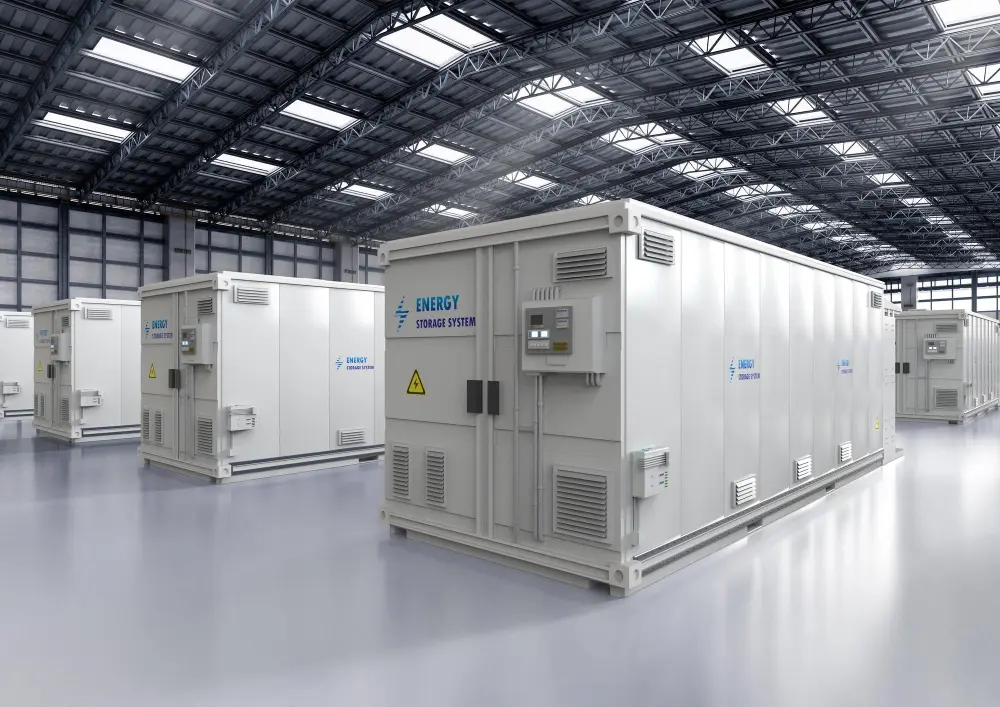
Battery energy storage systems work by storing electricity from the grid or renewable sources in rechargeable batteries, which can then be used to power homes, businesses, and even entire communities.
These systems are crucial for managing peak demand, providing backup power during outages, and enabling a smoother integration of renewable energy into the grid.
How it works
Energy storage systems capture power when it’s plentiful and cheap, especially from the sun or wind. This energy goes into big batteries for safekeeping. Later, when people need electricity and there isn’t enough sun or wind, the stored energy comes back out of the batteries.
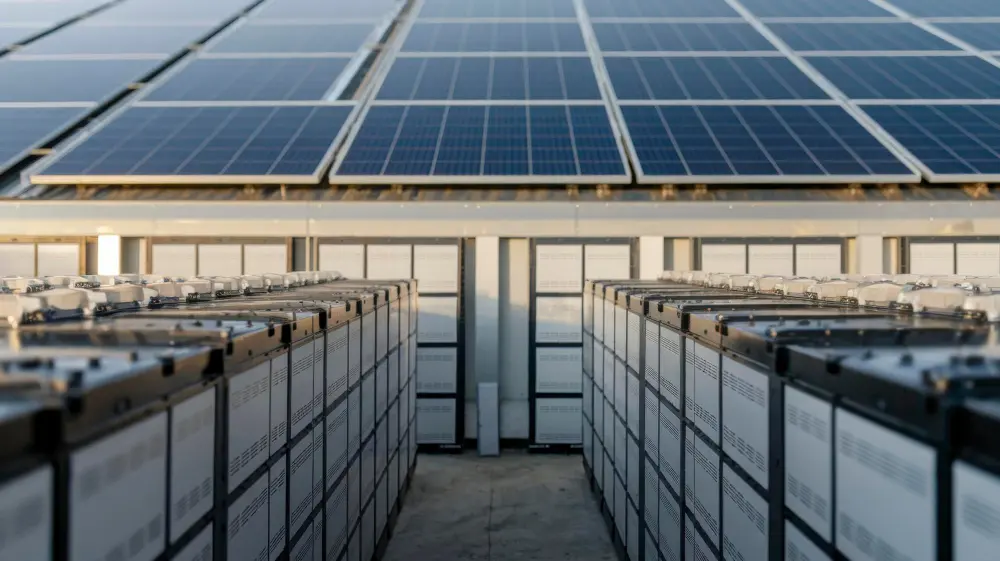
The system has several parts that work together. Batteries hold the charge collected by solar panels or wind turbines. Inverters turn this charge into usable power for homes or businesses.
Controllers help decide when to store energy and when to use it. This smart setup makes sure that even at night or on still days, lights stay on and computers keep working.
Main applications
Here’s how they make a difference:
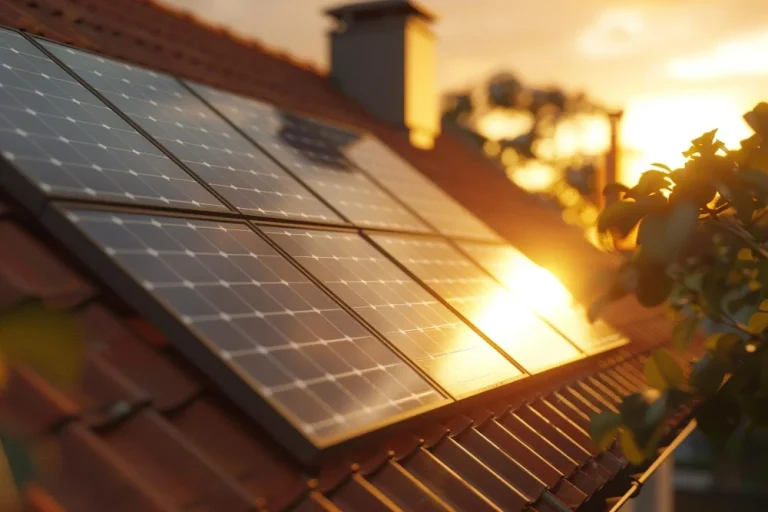
- Storing Solar Power: Batteries save the extra electricity that solar panels generate during the day. This energy can then be used at night or when the sun isn’t shining.
- Making Wind Energy Reliable: When the wind blows, turbines create power. Battery storage holds this power so it can be used even when there is no wind.
- Keeping Lights On During Outages: Homes and businesses stay powered during blackouts thanks to battery backup systems.
- Helping With Peak Shaving: Batteries can supply power during times of high demand, reducing strain on the grid and avoiding high energy prices.
- Assisting Grid Stability: Energy storage instantly responds to changes in electricity demand, keeping the power supply stable.
- Supporting Electric Vehicles (EVs): Charging stations use batteries to store power for EVs. This makes charging faster and lessens the load on the grid.
- Offering Ancillary Services: Storage systems help with frequency regulation by quickly adjusting output as needed for grid support.
- Reducing Dependence on Peaker Plants: Less need for these plants means lower greenhouse gas emissions and better air quality.
Importance of Battery Energy Storage
Battery storage systems plays a big role in using more renewable energy sources like solar and wind. These energy sources don’t always produce power when we need it because the sun doesn’t shine at night and the wind doesn’t blow all the time.
Storing energy helps fix this problem. When there’s extra power, battery storage systems keep it for later use.
This way, homes and businesses can have electricity even when renewables aren’t making power. It also means we can rely less on fossil fuels that harm our planet. Battery storage encourages more solar panels on rooftops and wind turbines in fields by making sure their energy doesn’t go to waste.
This is how we move towards an energy system that’s cleaner and greener.
Grid Resiliency and Reliability
Continuing from renewable energy, battery storage steps in to bolster grid resiliency and reliability. Storage systems react swiftly to changes in electricity demand and supply. They act like shock absorbers for the electric grid.
When extra power is needed quickly, batteries deliver it instantly. This helps keep the lights on during power outages.
Battery storage also plays a big role in making sure the power grid can handle stress. It provides an uninterrupted power supply by storing excess energy when there’s plenty and releasing it during high demand or failures.
This steadies electricity flow and prevents blackouts. Grids become more robust and less prone to disruptions with battery storage at their side.
Reducing Emissions from Peaker Plants
Peaker plants often run on fossil fuels and kick in only when energy demand spikes. These plants emit lots of greenhouse gases. Battery storage systems can change this. They store extra renewable energy then release it when demand is high, instead of using peaker plants.
This means less pollution from burning fossil fuels. It also helps create a cleaner environment. With battery storage, we depend less on dirty energy and more on clean power like wind and solar.
Energy independence is another big advantage of using batteries for storage.
Energy Independence
Battery storage gives homes and businesses more control over their power use. People can keep electricity from solar panels or the grid to use anytime. This cuts down on the need for energy from outside sources.
With stored power, there’s less worry about blackouts or high energy prices.
By using battery storage, countries move towards being self-sufficient in energy. They rely less on importing fuel from other places. Next, let’s explore the different types of battery energy storage systems available today.
Types of Battery Energy Storage
Lithium-ion batteries, Lead Acid Batteries, Flow Batteries, and Sodium-Sulfur (NaS) Batteries are the main types of battery energy storage. Learn more about their applications and benefits by reading the full blog post.
Lithium-Ion Batteries
Lithium-ion batteries power many devices, from smartphones to electric cars. They are also key in solar energy storage systems. These batteries hold a charge well and can be recharged many times.
Their long life makes them a popular choice for both home and commercial energy solutions.
Manufacturers prefer lithium-ion batteries because they weigh less and last longer than other types. Solar panels often use these batteries to store electricity for later use. This helps homes stay powered at night or on cloudy days when the sun isn’t shining.
With life spans ranging up to 15 years, they provide a reliable way to manage energy needs over time.
Lead Acid Batteries
Lead acid batteries have been around for a long time. They power things like cars and backup systems. With a life of 5 to 15 years, they offer reliable energy storage. These batteries are good at saving energy when demand is low and using it during peak times.
Businesses use them to keep power stable and save money.
Homes benefit from lead acid batteries too. They let people use solar power even when the sun isn’t shining. Emergency backup power is another key use in homes. Companies like Enel X help businesses get more out of these batteries by combining different uses.
Flow Batteries
Flow batteries, including vanadium-redox flow batteries and other variations, are gaining attention in the energy storage sector. These innovative systems use two electrolyte solutions flowing through an electrochemical cell to store energy.
Notably, compared to other battery technologies, flow batteries offer advantages in terms of cost-effectiveness and safety, making them a promising option for grid-scale energy storage facilities.
Sodium-Sulphur (NaS) Batteries
Let’s delve into Sodium-Sulphur (NaS) batteries. The NaS batteries play a crucial role in peak shaving, load shifting, flexibility, and integration with renewable energy sources. Notably, they can aid the deployment of renewables and decrease carbon emissions.
With a typical lifespan of 5 to 15 years, Enel X offers advanced technological solutions for integrating NaS battery storage with existing solar photovoltaic systems.
The market for NaS batteries is on the rise globally, witnessing numerous projects and developments. Sodium-Sulphur (NaS) batteries stand as promising technology in the realm of energy storage systems.
Solid-State Batteries
Moving on from sodium-sulphur (NaS) batteries, let’s delve into solid-state batteries. Solid-state batteries offer increased energy density, enhanced safety features, and longer lifespans compared to conventional lithium-ion batteries.
They utilise solid electrodes and electrolytes which contribute to their superior performance and durability.
Solid-state batteries promise higher energy density, improved safety, and longer lifespans due to their use of solid electrodes and electrolytes. These attributes set them apart from traditional lithium-ion batteries in terms of advantages and disadvantages.