The Pros and Cons of Solar Energy for UK Homes
Solar energy has gained significant attention as a viable alternative to traditional energy sources, especially for homeowners looking to reduce their carbon footprint and energy costs. In the UK, the adoption of solar panels is steadily increasing, driven by technological advancements and government incentives. However, like any significant investment, solar energy systems have their own advantages and disadvantages. This guide aims to provide a comprehensive overview of the pros and cons of solar energy for UK homes, helping homeowners make informed decisions.

The Pros of Solar Energy for UK Homes
Reduction in Energy Bills
One of the most appealing benefits of solar energy is the potential for significant reductions in energy bills. By generating your own electricity, you can reduce your reliance on the grid, thus lowering your monthly energy costs. The exact savings depend on the size of the solar PV system, your household’s energy consumption, and the amount of sunlight your location receives. Over time, these savings can substantially offset the initial investment.
Environmental Benefits
Solar energy is a clean, renewable resource that significantly reduces greenhouse gas emissions and reliance on fossil fuels. By switching to solar power, homeowners can directly combat climate change and reduce air pollution. Each kilowatt-hour of solar-generated electricity that replaces a conventional energy source can help reduce CO2 emissions, contributing to a healthier environment.
Energy Independence
Solar panels provide energy independence, allowing homeowners to produce their own electricity. This can be particularly beneficial during energy price volatility or grid instability. With a solar energy system, you are less affected by energy price hikes and supply disruptions, offering greater control over your energy consumption and costs.
Low Maintenance Costs
Solar energy systems are known for their durability and low maintenance requirements. Once installed, solar panels require minimal upkeep. Regular cleaning and periodic inspections are usually sufficient to ensure optimal performance. Most high-quality solar panels come with warranties of 25 years or more, guaranteeing their longevity and reliability.
Government Incentives and Grants
The UK government offers various incentives and grants to encourage the adoption of solar energy. These include schemes like the Smart Export Guarantee (SEG), which pays homeowners for the excess electricity they generate and export back to the grid. Additionally, there are opportunities to benefit from reduced VAT rates on solar panel installations and other financial incentives to reduce the initial cost barrier.
Increased Property Value
Homes equipped with solar energy systems often see an increase in property value. Prospective buyers are increasingly looking for energy-efficient homes, and the presence of solar panels can be a significant selling point. This can lead to a higher resale value and quicker sale times, making solar panels a worthwhile investment for property owners.
The Cons of Solar Energy for UK Homes
High Initial Costs
The upfront cost of purchasing and installing a solar energy system can be high. This includes the cost of the panels, inverter, mounting equipment, and installation labour. While prices have decreased over the years, the initial investment can still be substantial, potentially deterring some homeowners. However, it’s essential to consider the long-term savings and potential government incentives that can help offset these costs.
Weather Dependence
Solar energy production is highly dependent on weather conditions. In the UK, where cloudy and rainy days are common, the efficiency of solar panels can be affected. Modern solar panels can still generate electricity on overcast days, but the output is significantly lower than on sunny days. This weather dependence can impact a solar energy system’s overall effectiveness and efficiency.
Space Requirements
Adequate roof space or ground area is best for installing a solar energy system. The size and number of panels required depend on your energy needs and the available space. Installing a system that meets your energy requirements can be challenging for homeowners with limited roof space or shaded roofs. Ground-mounted systems are an alternative, but they require additional space and can be more expensive.
Aesthetic Concerns
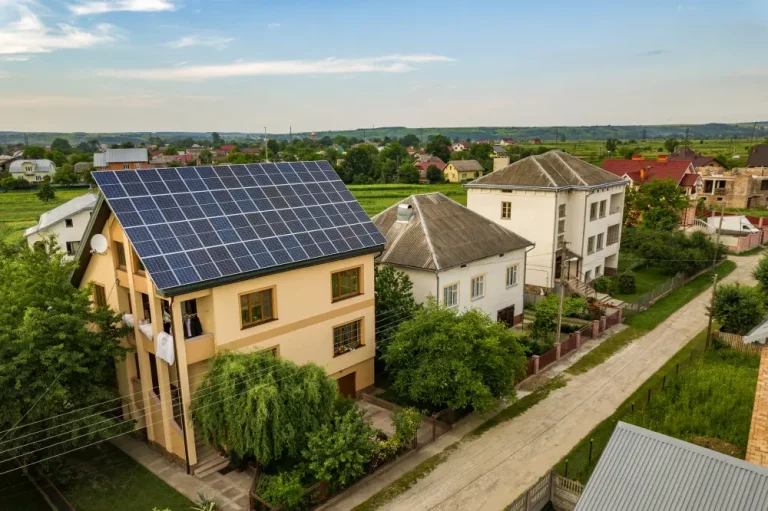
Some homeowners are concerned about solar panels’ appearance. While many find the look modern and appealing, others may feel that they detract from the aesthetic of their home. This is a subjective issue, but it’s worth considering how the installation of solar panels might affect the visual appeal of your property, especially if you live in a neighbourhood with strict aesthetic guidelines or historical preservation rules.
Limited Efficiency
Although solar technology has advanced significantly, solar panels still have limitations in terms of efficiency. The average efficiency of most residential solar panels ranges from 15% to 20%, meaning that a significant portion of the sunlight they capture is not converted into usable electricity. This limitation necessitates larger installations to meet a household’s energy demands, which can be a constraint for homes with limited space.
Energy Storage Challenges
Storing solar energy for use during non-sunny periods presents another challenge. While battery storage solutions are available, they can be expensive and may have limited capacity. Effective energy storage is crucial for maximising the benefits of solar energy. Still, the current technology can be cost-prohibitive for some homeowners. Additionally, batteries require maintenance and have a limited lifespan, adding to the overall cost of a solar energy system.
Financial Aspects
Upfront Installation Costs
The initial investment in solar energy systems can be substantial. Costs typically include solar panels, inverters, mounting equipment, and installation labour. On average, installing a residential solar PV system in the UK can range from £5,000 to £10,000 for a typical 3-4 kW system. While this upfront cost might seem high, it’s essential to consider the long-term financial benefits, including energy savings and government incentives, which can help offset these initial expenses.
Long-term Savings
Over the lifespan of a solar panel system, homeowners can achieve significant savings on their energy bills. By generating their own electricity, they reduce the amount of power they need to purchase from the grid, leading to lower monthly utility costs. The extent of these savings depends on factors such as system size, local energy prices, and the amount of sunlight their area receives. Additionally, as energy prices continue to rise, the cost savings from solar energy can become even more substantial over time.
Available Subsidies and Grants
The UK government offers several incentives to encourage the adoption of solar energy. The Smart Export Guarantee (SEG) allows homeowners to sell excess electricity to the grid, providing a steady income stream. Additionally, some regions may offer grants or rebates for solar installations. These financial incentives can significantly reduce the payback period for solar investments, making them more accessible and appealing to homeowners.
Environmental Impact
Carbon Footprint Reduction
One of the primary environmental benefits of solar energy is reducing carbon emissions. Solar panels generate electricity without producing greenhouse gases, making them a clean and renewable energy source. By switching to solar power, homeowners can significantly reduce their carbon footprint, contributing to the fight against climate change and promoting a healthier environment.
Lifecycle Environmental Impact
While solar panels offer clear environmental advantages during their operational life, considering the system’s entire lifecycle is also essential. Manufacturing, transporting, and disposing of solar panels can have ecological impacts. However, technological advances and recycling practices are helping mitigate these effects. Overall, the environmental benefits of solar energy far outweigh the associated consequences, making it a sustainable choice for long-term energy needs.
Technological Considerations
Types of Solar Panels
There are several types of solar panels available for residential use, each with its advantages and drawbacks:
- Monocrystalline Panels: Known for their high efficiency and sleek appearance, these panels are made from a single crystal structure. They are typically more expensive but offer better performance in limited space.
- Polycrystalline Panels: Made from multiple crystal structures, these panels are less efficient than monocrystalline but are more affordable. They are a popular choice for homeowners looking to balance cost and efficiency.
- Thin-Film Panels: These panels are lightweight and flexible, making them suitable for various applications. While they are generally less efficient than crystalline panels, they can be a good option for specific situations where weight and flexibility are essential.
Solar Panel Efficiency
Solar panel efficiency refers to the percentage of sunlight that can be converted into usable electricity. Technological advances have steadily increased solar panels’ efficiency, with most residential panels achieving efficiencies between 15% and 20%. Higher-efficiency panels can generate more electricity in a given amount of space, which is particularly beneficial for homes with limited roof space.
Future Technological Advancements
The solar industry continually evolves, with ongoing research and development leading to new technologies and improvements. Future advancements may include:
- Higher efficiency panels.
- More affordable and efficient energy storage solutions.
- Innovative solar products like solar tiles and transparent solar panels.
These developments promise to make solar energy even more accessible and efficient for homeowners in the coming years.
Practical Considerations for UK Homeowners
Roof Suitability
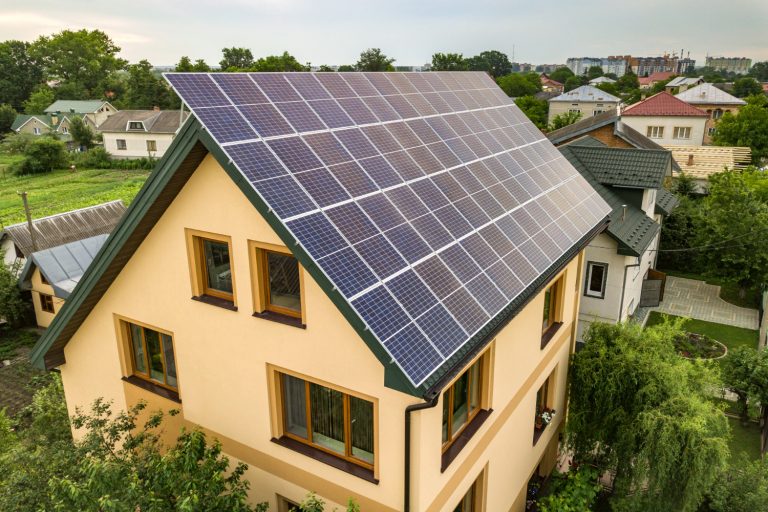
The suitability of your roof for solar panels is a crucial consideration. Factors such as roof orientation, angle, and shading can significantly impact the performance of a solar energy system. South-facing roofs with minimal shading are ideal for maximising sunlight exposure. However, east- or west-facing roofs can also be effective with the right system design. Professional installers can assess your roof’s suitability and recommend the best setup for optimal performance.
Planning Permissions and Regulations
In most cases, residential solar panel installations in the UK do not require planning permission, provided they meet certain conditions. However, there are exceptions, especially for properties in conservation areas or listed buildings. Checking local regulations and obtaining any necessary permissions before installing is essential. Consulting with a professional installer can help ensure compliance with all relevant regulations.
Professional Installation vs. DIY
While some homeowners may consider installing solar panels to save on costs, professional installation is generally recommended. Professional installers have the expertise and experience to ensure the system is installed correctly and safely, maximising performance and longevity. Additionally, professional installations typically have warranties and guarantees, providing peace of mind and protection against potential issues.
Conclusion
Final Thoughts on the Viability of Solar Energy for UK Homes
Solar energy presents a compelling opportunity for UK homeowners to reduce their energy bills, decrease their carbon footprint, and increase their property value. While there are upfront costs and practical considerations to address, the long-term benefits and potential savings make solar energy a viable and attractive option for many households.
Weighing the Pros and Cons
When considering solar energy, it is essential to weigh the pros and cons carefully. The advantages, such as reduced energy bills, environmental benefits, and energy independence, are significant. However, homeowners must also consider the initial costs, weather dependence, and other potential drawbacks. By thoroughly evaluating these factors and seeking professional advice, homeowners can make an informed decision that best suits their needs and circumstances.
FAQs
How much can I save on my energy bills with solar panels?
The amount you can save depends on various factors, including the size of your solar system, energy consumption, and local energy prices. On average, UK homeowners can save between 10% to 50% on their energy bills.
Do I need planning permission to install solar panels on my home?
In most cases, planning permission is not needed for solar panel installations on residential properties. However, exceptions exist for listed buildings and properties in conservation areas. It’s advisable to check local regulations and consult with a professional installer.
How long does a solar panel system last?
High-quality solar panels typically come with a 25-year warranty and can last even longer with proper maintenance. Inverters and other system components may have shorter lifespans and might need replacement after 10-15 years.
What happens to solar panels at the end of their life?
Solar panels can be recycled at the end of their operational life. Many components, such as glass and metal, can be reused, and efforts are ongoing to improve recycling methods for more sustainable end-of-life management.